


Culture
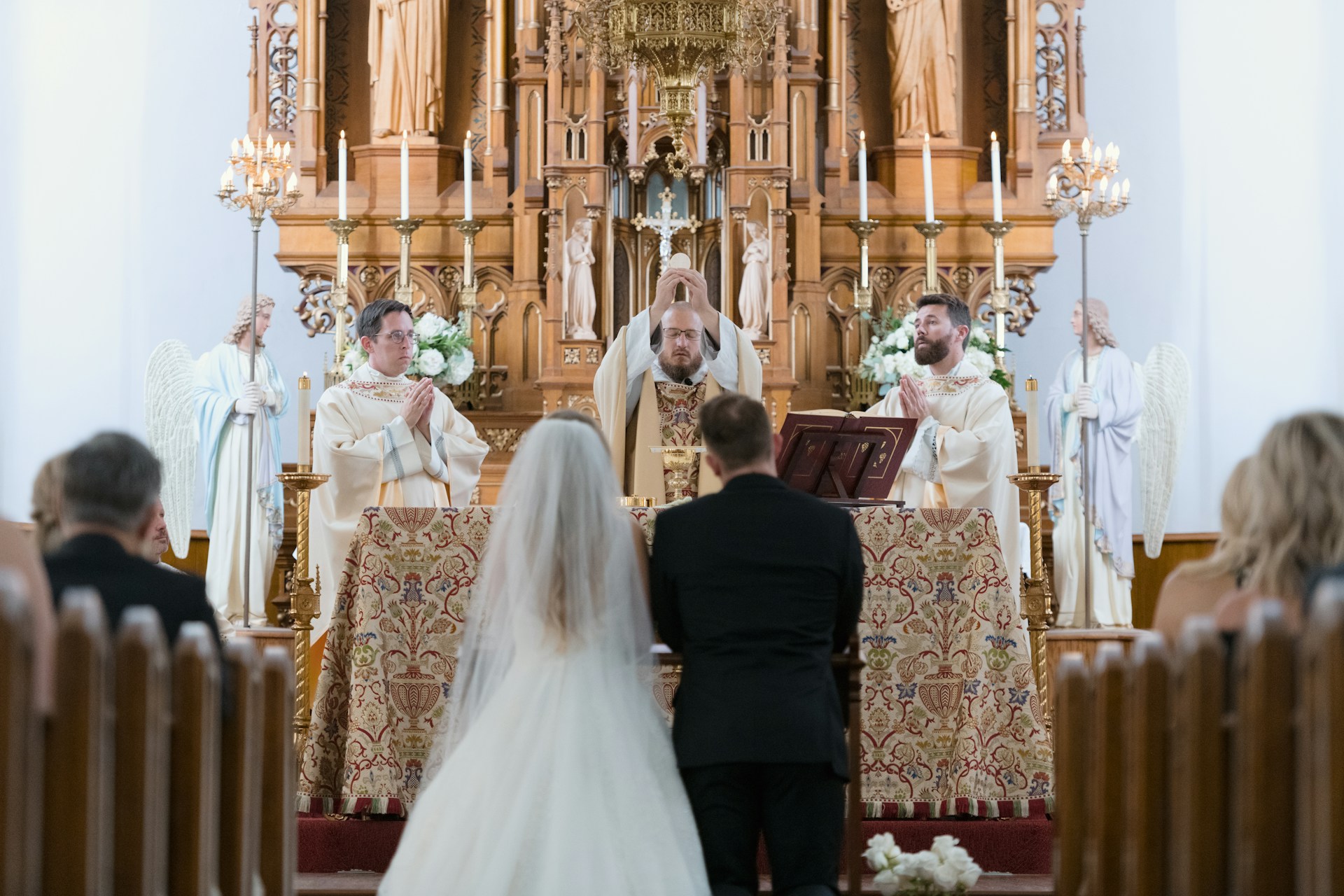
A major studio release brings the Catholic Worker founder to the big screen The director on location in New York A major studio release is bringing the story of Servant of God Dorothy Day to audiences worldwide. The film follows Day from her bohemian youth in Greenwich Village through her radical conversion and the founding of the Catholic Worker movement during the Great Depression. It is the most ambitious cinematic treatment of a modern American Catholic figure in recent memory. The screenplay, developed over seven years, draws on Day’s published diaries, her autobiography The Long Loneliness , and extensive interviews with surviving members of the Catholic Worker community. The production was filmed on location in New York, Chicago, and Rome, lending the period drama an authenticity that critics have singled out for praise. The release has reignited widespread interest in Day’s cause for canonization, which has been under consideration by the Vatican since 2000. The postulator of her cause told Advaticanum that the film has generated an unprecedented volume of correspondence to the diocesan office, and that several new testimonies of possible miracles are now under review. Don’t call me a saint. I don’t want to be dismissed that easily. Critics have praised the lead performance for its unflinching portrayal of Day’s complexity — her radicalism, her grief over a past abortion, her fierce love for the poor, and her deep sacramental piety. The film does not soften her edges, and Catholic reviewers have noted that its honesty makes it more, not less, compelling as an argument for her holiness. The film opens nationwide this Friday. Catholic high schools and universities across the country are organizing group screenings, and several dioceses have released discussion guides for parish use. Box office analysts project a strong opening weekend driven by a coalition of Catholic audiences and broader interest in progressive political biography.
Mar. 20, 2026
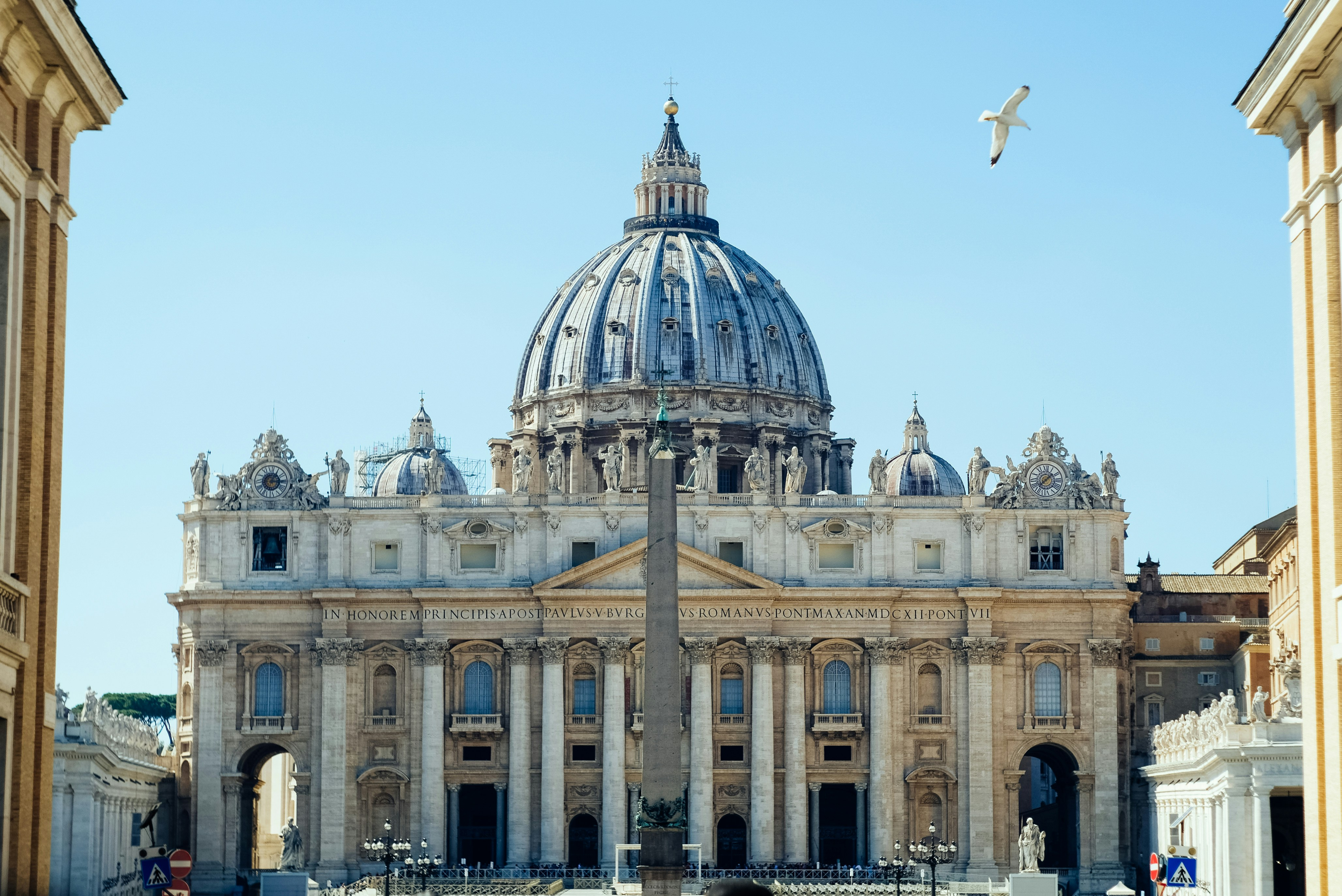
Three of five finalists in fiction draw on Catholic themes and traditions One of the three Catholic finalists I n a remarkable showing, three of the five finalists for this year’s National Book Award in fiction are Catholic authors whose works engage deeply with themes of faith, doubt, sacrament, and grace. Critics say the trend reflects a broader literary renaissance rooted in what Flannery O’Connor called the Catholic imagination — a way of seeing the world charged with presence, mystery, and moral seriousness. The three titles share little in common on the surface. One is a multigenerational family saga set in rural Louisiana; another is a spare novella about a Carmelite nun facing terminal illness; the third is an ambitious novel about a Vatican diplomat navigating the collapse of a postwar European government. The finalists include both established names and debut novelists, suggesting that Catholic literary culture is attracting new voices as well as deepening the work of its veterans. Two of the three titles were published by independent presses with explicit Catholic missions, a fact that has drawn attention to the growing infrastructure of Catholic literary publishing. The Catholic novel is not dead. It is finding new life in writers who are unafraid to wrestle with mystery. The winner will be announced at a ceremony in New York next month. Booksellers report that all three Catholic-authored titles have seen significant sales spikes since the shortlist was announced. Literary editors at several major publications have commissioned essays on the Catholic literary revival in anticipation of the award ceremony. Scholars of American Catholic literature note that this moment echoes the mid-twentieth century, when authors like Walker Percy, Flannery O’Connor, and J.F. Powers brought Catholic themes into the mainstream of American fiction. Whether the current moment represents a comparable breakthrough or a statistical anomaly remains to be seen — but the conversation it has sparked is already overdue.
Mar. 19, 2026
Art historians call the restoration a masterwork of modern conservation Dr. Elena Marchetti, chief conservator A fter ten years of painstaking work, the Vatican Museums have unveiled the fully restored Raphael Rooms, revealing colors and details unseen for centuries. The project required the removal of centuries of overpaint, grime, and misguided earlier restorations. In several sections entirely new compositional details were discovered hidden beneath later additions. Art historians from around the world attended the unveiling and praised the quality of the work. The project was funded in part by donations from the Patrons of the Arts in the Vatican Museums . What we see now is closer to what Raphael himself saw. The restoration has given these masterpieces back to the world. The restored rooms will reopen to the public later this month. A documentary film about the restoration is currently in post-production and is expected to air on a major streaming platform in the autumn.
Mar. 18, 2026
The production draws packed houses and critical acclaim at the Teatro dell’Opera Librettist Marco Ferretti after opening night A new opera exploring the life and thought of Saint Thomas Aquinas has received its world premiere at the Teatro dell’Opera di Roma to standing ovations and widespread critical praise. The work, titled Il Bue Muto , dramatizes his battles with the Averroists of Paris and his mystical experiences in the final months of his life. The libretto, written by Italian poet Marco Ferretti over a period of six years, is in Latin and Italian, with supertitles in both languages and English. Ferretti has said in interviews that he was drawn to Aquinas not as a monument of scholastic achievement but as a man who pushed the limits of what human reason could bear and then encountered something that reason could not contain. The production features a dramatic soprano in the symbolic role of Wisdom and a bass-baritone as Aquinas, with a score described by the Italian press as austere yet deeply moving — reminiscent of Britten in its refusal of easy beauty. The staging places the intellectual drama in nearly abstract space, leaving the music and the text to carry the weight of the argument. To compose music about Aquinas is to attempt the impossible. But the impossibility itself is the point. Plans for a North American tour are already underway, with confirmed dates in New York, Chicago, and Los Angeles announced for the following season. The Vatican’s Pontifical Council for Culture has expressed interest in hosting a special performance for the Holy Father, and discussions are ongoing. The premiere has drawn renewed attention to the Dominican Order’s rich tradition of intellectual and cultural patronage. Several Thomistic scholars who attended the opening night performance described it as a rare and serious artistic engagement with philosophical theology — exactly the kind of cultural work the Church has long needed more of.
Mar. 13, 2026
The retired prefect revisits the legacy of Benedict XVI and the traditional Latin Mass Cardinal Sarah at the book’s Roman launch C ardinal Robert Sarah’s newly released memoir has reignited debate within the Church over the direction of liturgical reform. In the book, the retired prefect of the Dicastery for Divine Worship and the Discipline of the Sacraments offers a candid defense of the Extraordinary Form of the Mass and a sustained critique of what he calls the horizontalism of post-conciliar worship. The memoir covers Cardinal Sarah’s formation in Guinea under French missionary priests, his decades of service in Rome, his close friendship with Pope Benedict XVI, and his reaction to the restrictions placed on the Traditional Latin Mass by the 2021 motu proprio Traditionis Custodes . The most controversial chapters deal directly with his assessment of that decision and its pastoral consequences. The memoir has been praised by traditionalists and criticized by progressives, with some theologians questioning whether a cardinal, even a retired one, should publish such pointed commentary on current papal policy without prior consultation with the Holy See. The Vatican has not responded officially. Silence in the face of the desacralization of the liturgy is not humility. It is negligence. The book has already sold over fifty thousand copies in its first week across English, French, and Italian editions, with a Spanish translation expected within the month. A speaking tour is planned for the autumn, including appearances at several traditional Catholic conferences in the United States and a lecture at the Angelicum in Rome. Liturgical scholars across the spectrum have engaged seriously with the memoir’s central arguments. Even those who disagree with Cardinal Sarah’s conclusions acknowledge that he raises questions about the nature and direction of liturgical reform that the Church has not fully answered — and that the conversation he is provoking is necessary, whatever one thinks of his conclusions.
Mar. 11, 2026