


The Vatican
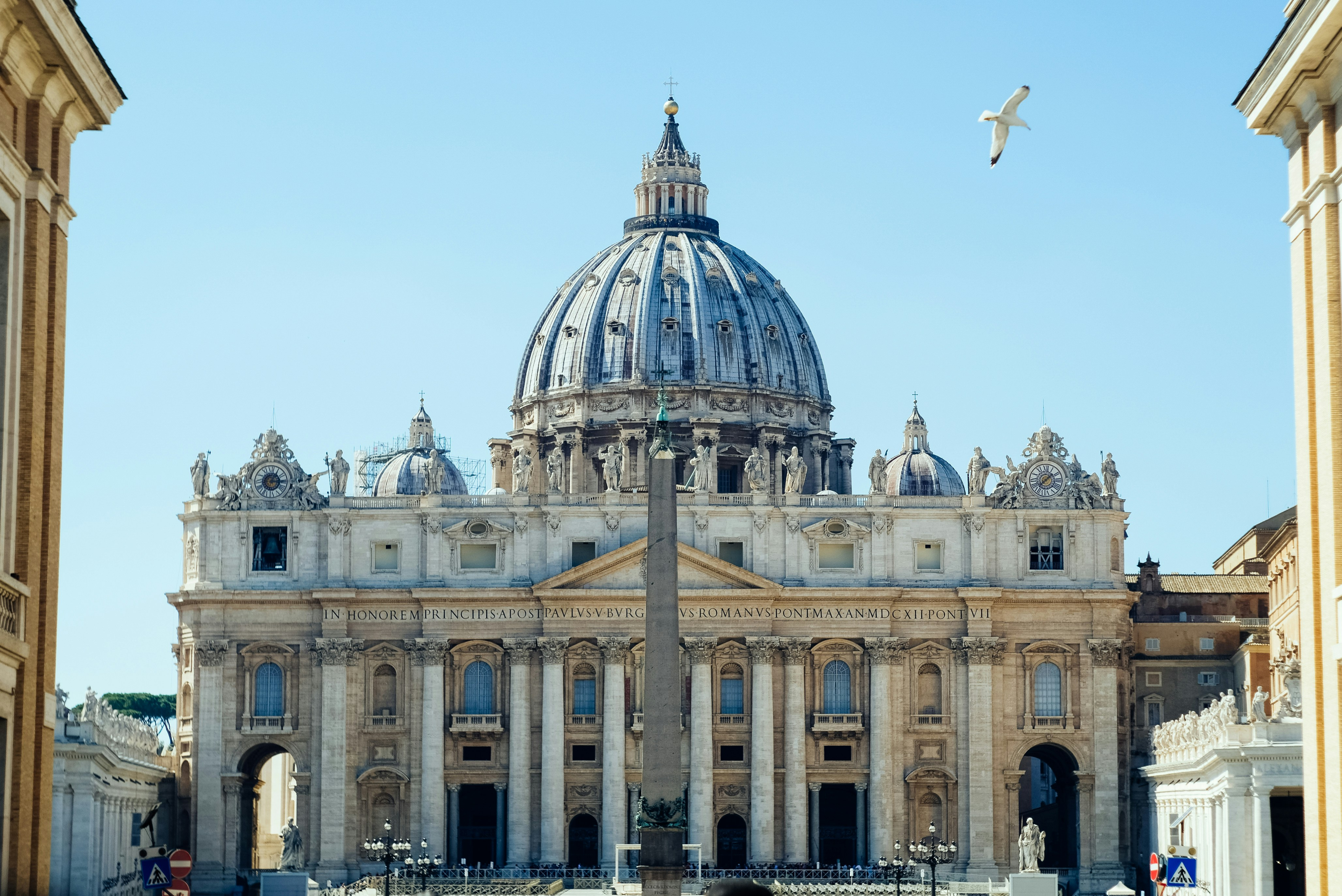
The Dicastery for the Laity releases updated norms for lay participation A Dicastery official at the press conference T he Dicastery for the Laity, Family, and Life has released updated guidelines for the formation and operation of parish pastoral councils worldwide. The new norms, which supersede earlier guidance from 1998, emphasize greater lay participation in decision-making while carefully clarifying the consultative — rather than deliberative — nature of the councils. The document addresses structural questions that have long been debated at the diocesan level, including term limits for council members, the proper role of the pastor as council president, and procedures for handling disagreements. It also introduces, for the first time, norms governing the use of digital tools for council meetings and documentation. Bishops’ conferences have been given eighteen months to implement the new norms at the diocesan level, after which compliance will be assessed during regular ad limina visits. The Dicastery has offered to provide formation resources and translation support upon request, and has established a dedicated helpdesk for bishops’ conferences with implementation questions. The parish council is not a parliament. It is a space for discernment, where pastor and people seek God’s will together. Lay leaders who work closely with parish councils have responded cautiously but positively. Several noted that the new norms validate practices they had long advocated, particularly around transparency and formal conflict resolution. Others expressed concern that the emphasis on the consultative nature of councils could be used to sideline legitimate lay concerns. The Dicastery will host a series of webinars for diocesan staff beginning next month, and plans to publish a companion study guide in multiple languages by the end of the liturgical year. Canon lawyers say the new norms represent a significant maturation in the Church’s theology of synodality at the local level.
Mar. 25, 2026
Healthcare systems weigh religious liberty against regulatory compliance A spokesperson for the Catholic Health Association N ew federal regulations are requiring Catholic hospital systems to update their emergency care protocols in ways that some administrators say directly conflict with the Ethical and Religious Directives for Catholic Health Care Services . The mandate, issued by the Department of Health and Human Services, has triggered immediate legal challenges from several major Catholic health networks. The regulations, which take effect in ninety days, require all federally funded hospitals to provide or facilitate certain emergency procedures regardless of the institution’s religious affiliation. Catholic health systems argue this provision is a direct assault on decades of conscience protections that have allowed faith-based providers to participate in the public healthcare system. The United States Conference of Catholic Bishops has issued a statement expressing grave concern and urging the administration to reinstate conscience protections for healthcare workers whose sincerely held religious beliefs would be burdened by the new requirements. The USCCB has also called on Catholic laity to contact their congressional representatives. Catholic hospitals serve everyone. But we cannot be forced to act against our deepest convictions about the sanctity of human life. Legal observers expect the dispute to reach the federal courts within weeks. Several Catholic health systems have already filed for preliminary injunctions, citing First Amendment protections and the Religious Freedom Restoration Act. One senior attorney involved in the litigation described the legal landscape as favorable to the plaintiffs based on recent Supreme Court precedent. The Catholic Health Association, which represents over six hundred hospitals nationwide, is coordinating a unified legal and public affairs response. Officials note that Catholic hospitals serve disproportionately poor and rural communities where no alternative provider exists, making forced compliance an issue of access as well as conscience.
Mar. 24, 2026
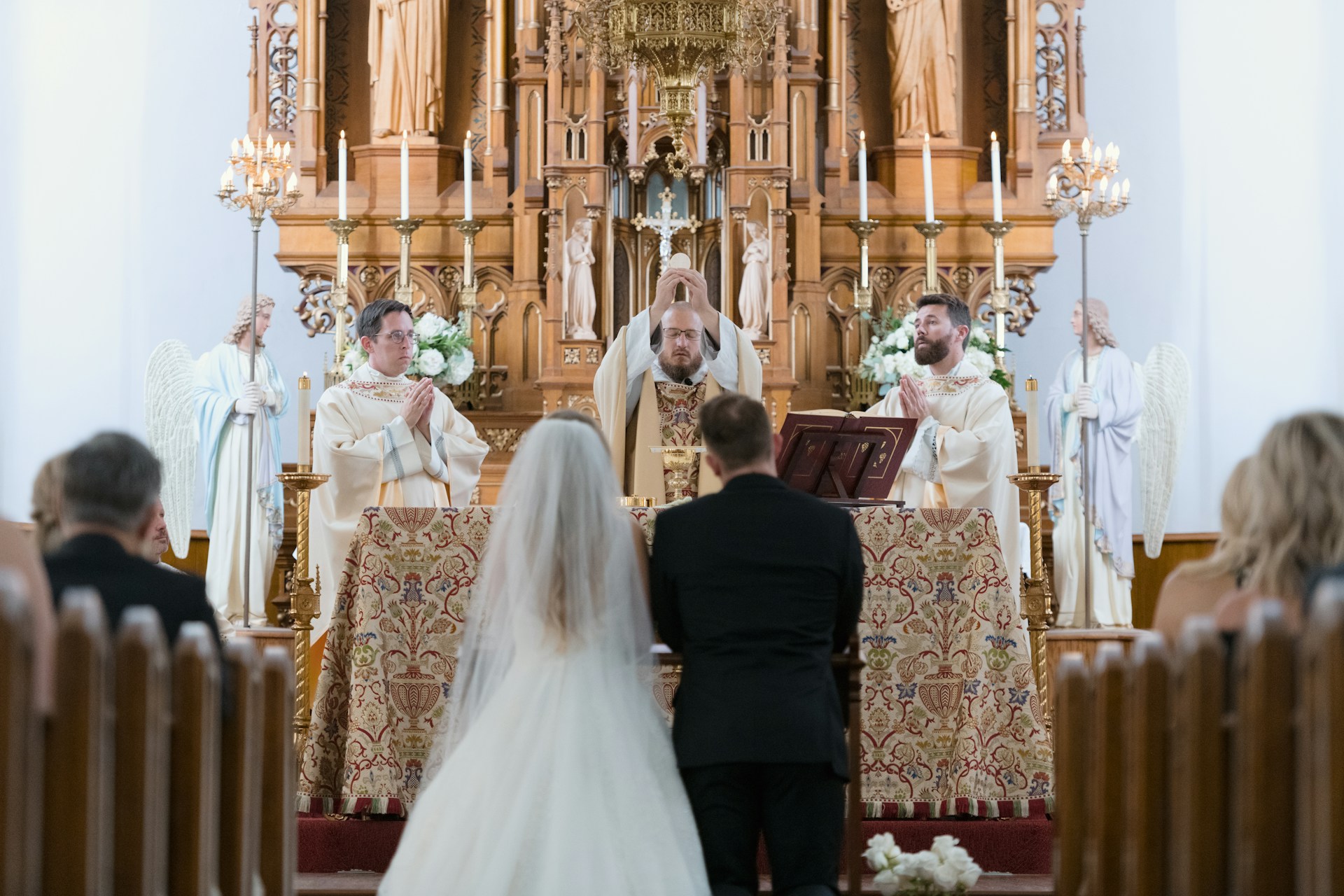
The largest Catholic youth gathering in Asia draws pilgrims from across the region Cardinal Tagle addresses the gathering A n estimated three million young Catholics gathered in Manila for a four-day pilgrimage culminating in an outdoor Mass celebrated by the papal legate, Cardinal Luis Antonio Tagle . The event drew pilgrims from South Korea, Indonesia, Vietnam, India, and as far as Papua New Guinea — the largest regional Catholic youth gathering in Asia’s recorded history. The pilgrimage unfolded across four days of catechetical sessions, adoration, the sacrament of reconciliation, and cultural celebration. Over two thousand confessors heard confessions continuously for forty-eight hours, and organizers report that lines stretched for several city blocks at peak times on the third day. Organizers described the gathering as a sign of hope for the Church in Asia, where Catholicism is growing in some nations even as it faces institutional pressure in others. Pope Francis sent a video message calling the youth of Asia the future of the universal Church and urging them not to be afraid to take their faith into the public square. The young people of Asia are not the Church of tomorrow. They are the Church of today. Security officials praised the orderly conduct of the pilgrimage, which despite its scale proceeded without serious incident. Local parishes and schools provided more than fifteen thousand volunteers to assist with logistics, translation, pastoral care, and the distribution of food and water across the sprawling outdoor venue. The bishops’ conference has announced that the next regional youth pilgrimage will be held in Jakarta in three years’ time, marking the first time the event will be hosted outside the Philippines. Indonesian Catholic leaders say they are already planning and have begun fundraising to accommodate what they hope will be an even larger gathering.
Mar. 8, 2026