


Laity
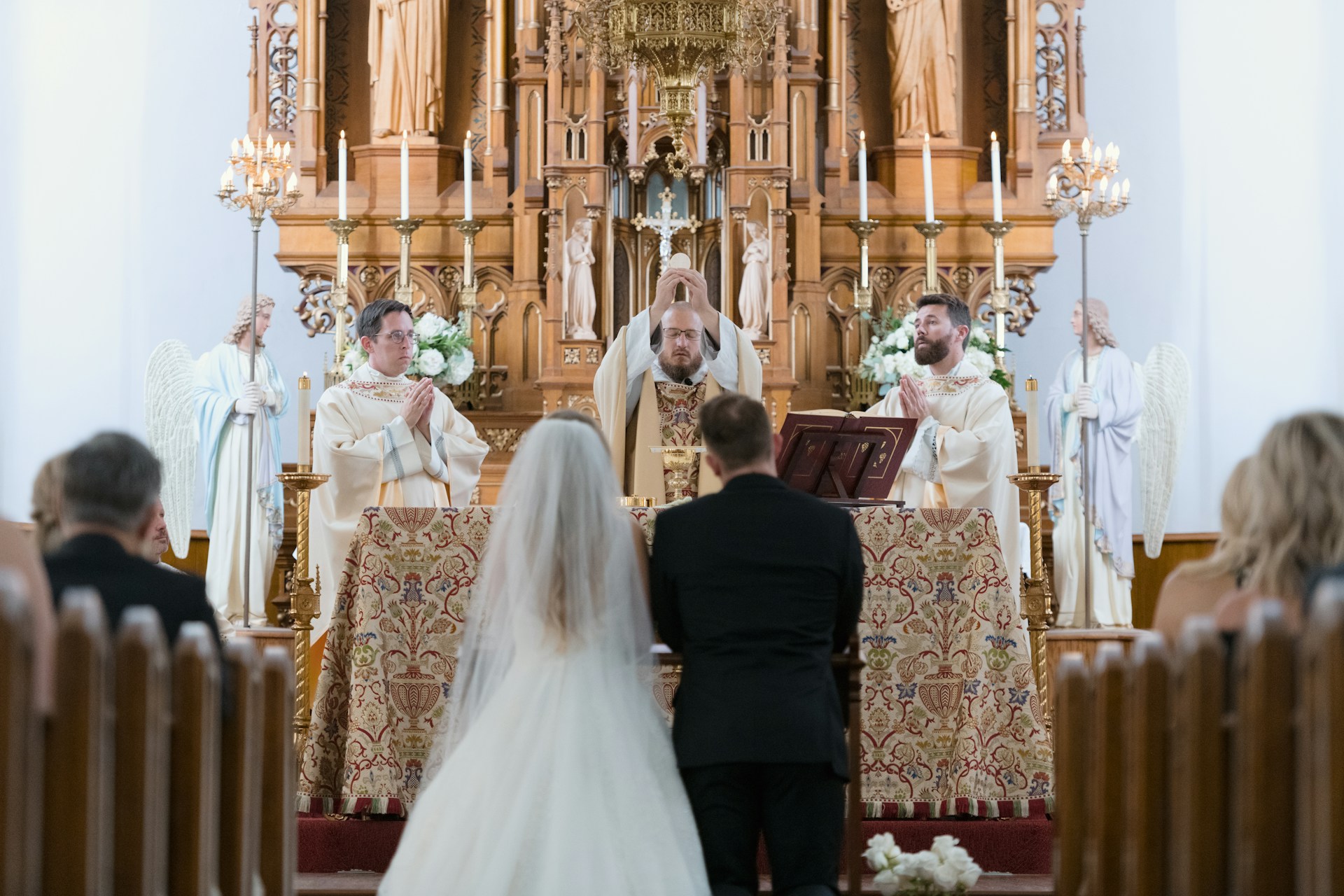
New diocesan data paints a troubling picture for sacramental life in America Bishop Robert Hennessy N ew data reveals a continued downward trend in sacramental marriages across American parishes, raising questions about the future of Catholic family life in the United States. Diocesan reports from over forty states show a decline of nearly twelve percent over the past five years, with the sharpest drops concentrated in urban centers and among Catholics under forty. The data, compiled by the Center for Applied Research in the Apostolate, reveals that the steepest declines track closely with broader patterns of delayed marriage and cohabitation. Many young Catholics who do marry choose civil ceremonies, bypassing sacramental preparation entirely. Diocesan officials say the pandemic accelerated trends that had been building for over a decade. Bishop Robert Hennessy of the Archdiocese of Milwaukee called the numbers a wake-up call for pastoral leaders. He has convened a working group of marriage prep directors and family ministers to design outreach programs targeting young adults who have drifted from the Church. Several dioceses are experimenting with shorter, more intensive preparation tracks that meet couples where they are culturally. We cannot simply wait for couples to come to us. The Church must go out to meet them where they are. Parish leaders report that the most effective programs combine peer witness from recently married couples with structured theological formation. Some dioceses have begun partnering with Catholic colleges and young adult ministries to reach engaged couples before they have already written off a Church wedding. Demographers note that the trend mirrors broader societal shifts but warn that the Catholic decline is steeper than that of other Christian denominations. Several dioceses have launched task forces to study the root causes and propose pastoral responses, with initial findings expected later this year. Sociologists point to economic anxiety, housing costs, and the cultural redefinition of commitment as contributing factors. The bishops’ conference has pledged to address the findings at its June plenary, where family life will be the primary agenda item for the first time in over a decade.
Mar. 25, 2026
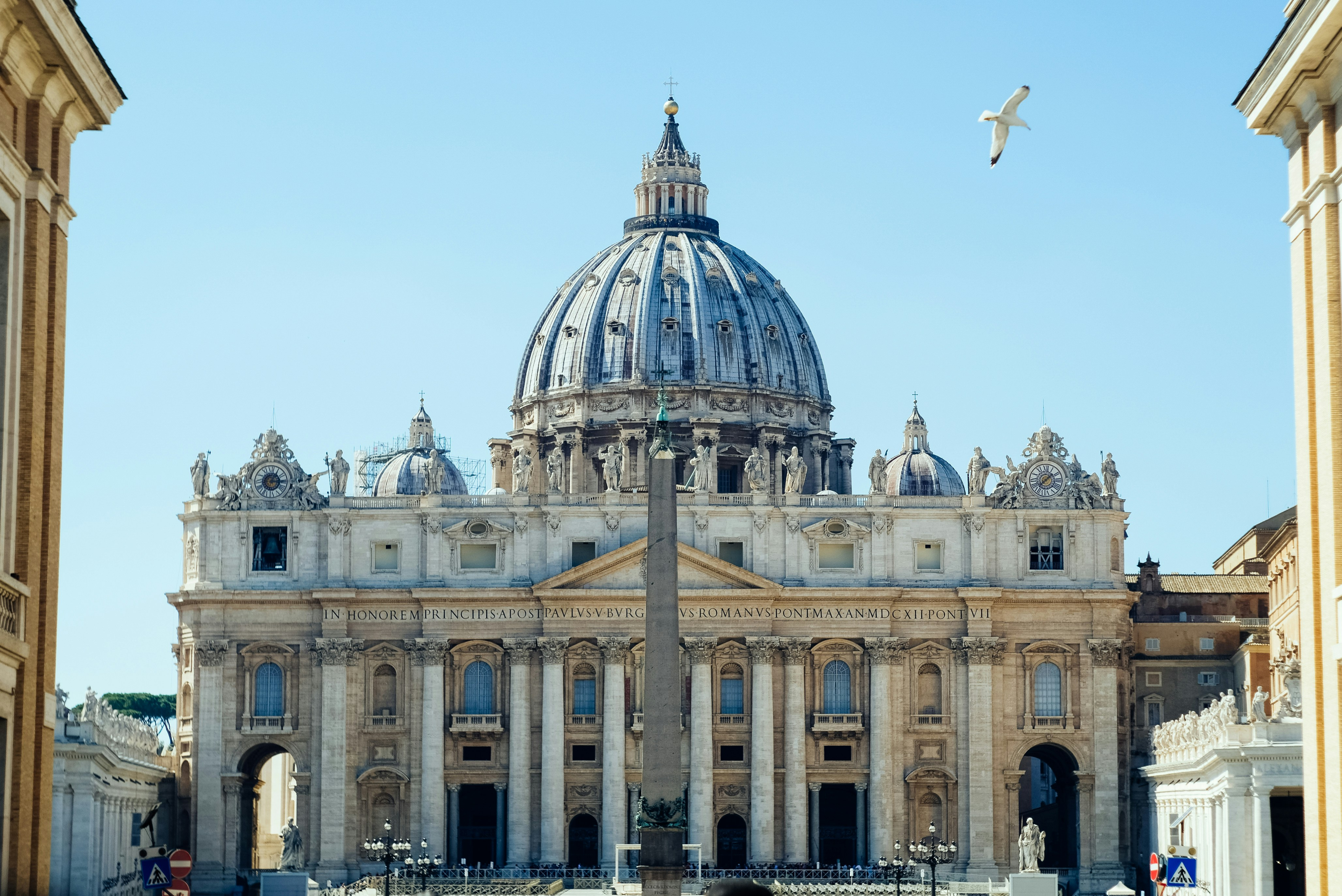
Representatives from thirty nations call for structural changes in parish governance A delegate addresses the assembly D elegates from across sub-Saharan Africa attending the regional synod assembly have issued a joint statement calling for expanded roles for lay leaders in parish administration and catechesis. The statement reflects long-standing pastoral realities on the continent, where priest shortages mean that many communities are led by lay catechists for months or even years at a time without a resident pastor. The delegates, representing thirty nations, argue that the current canonical framework does not adequately recognize or resource the leadership that lay Catholics are already exercising of necessity. They are calling on the Vatican to create a formal ministry category for senior lay parish leaders, with defined training requirements and canonical recognition. The delegates urged the Vatican to formalize these roles and provide training resources proportionate to the scale of the need. Several bishops present expressed strong support while noting that any structural changes must remain consonant with sacramental theology and the hierarchical nature of the Church. In many of our villages, it is the catechist who keeps the faith alive. The Church must recognize and support this reality. The assembly’s final document is expected to be transmitted to the Vatican’s Synod Secretariat within the month. Observers say the African delegates’ proposal represents one of the most substantive structural suggestions to emerge from any regional gathering in the current synodal process, and that it will likely be a reference point for the global synod’s concluding discussions. The proposal has also drawn interest from delegates in Latin America and Oceania, where similar dynamics of priest shortage and lay leadership have shaped local Church life for generations. A coalition of regional synod bodies is exploring whether a joint submission to the Holy See might amplify the call for formal recognition.
Mar. 22, 2026