


Africa
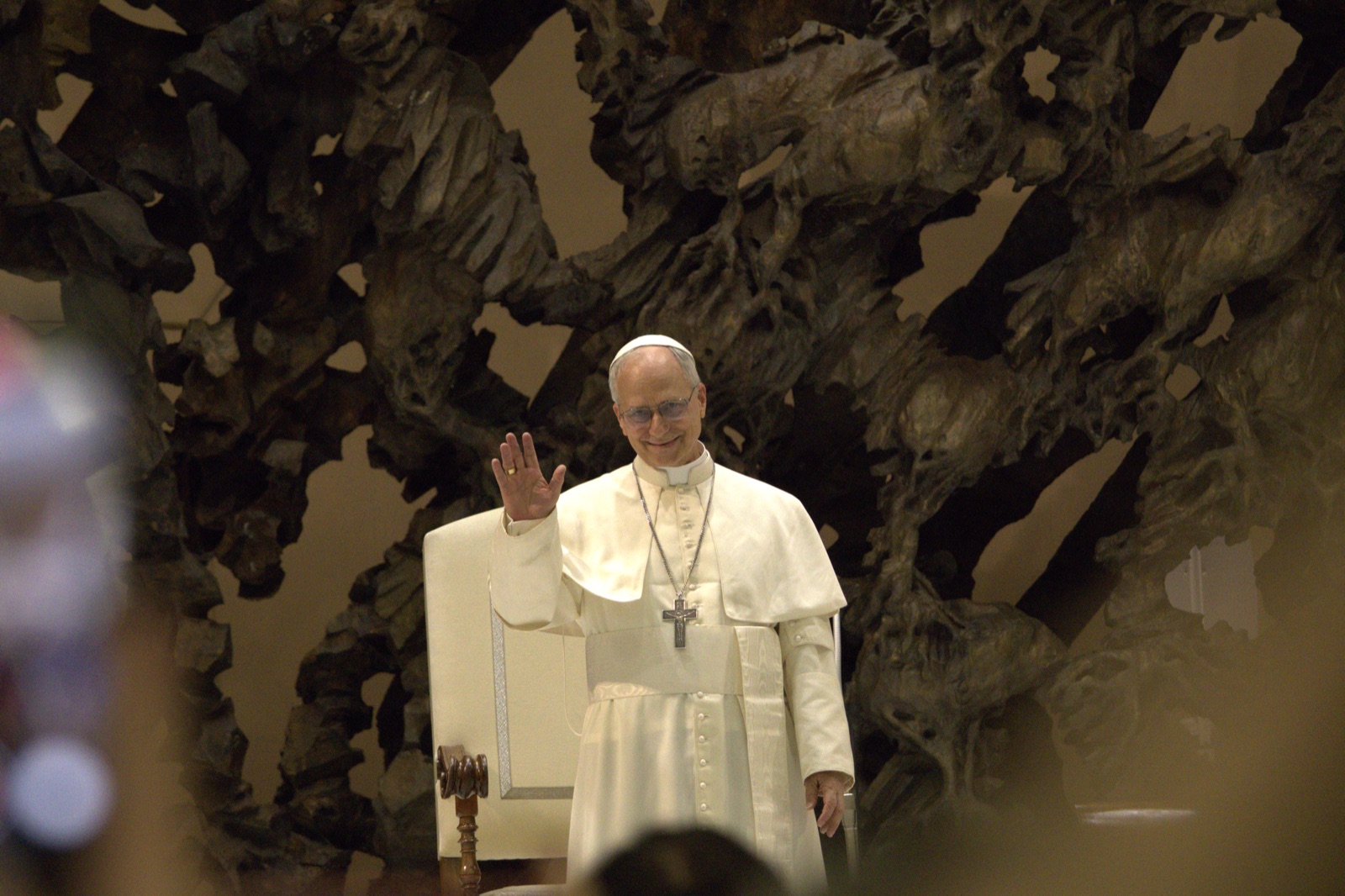
Pope Leo has brought his first African journey to a close with a final Mass in Malabo, ending an 11-day visit across Algeria, Cameroon, Angola and Equatorial Guinea. The final Mass in Malabo, Equatorial Guinea, has brought to a close the first African journey of Pope Leo XIV, ending an 11-day visit that has taken him across four countries. Speaking at the end of the Mass, the Pope told the faithful plainly: “The time has come” to depart, thanking “the Archbishop, the bishops, the clergy and all the people of God journeying in this land”, and marking the conclusion of a visit that has combined large public gatherings with pointed addresses to political authorities. The world is being ravaged by a handful of tyrants, yet it is held together by a multitude of supportive brothers and sisters. The journey, which ran from April 13 to 23, brought the Pontiff to Algeria, Cameroon, Angola and Equatorial Guinea, covering more than 11,000 miles and including 18 flights, alongside a programme of Masses, formal addresses and meetings with civil and religious leaders. It is the first apostolic journey of his pontificate to Africa, a continent now home to almost 300 million Catholics. In Malabo, closing the visit, the Pope spoke of what he described as “an immeasurable treasure of faith, hope and charity”, adding that “this treasure consists of stories, faces and testimonies, both joyful and sorrowful, which will greatly enrich my life and ministry as the Successor of Peter”. He thanked the country’s civil authorities for their welcome and entrusted the people of Equatorial Guinea and the wider continent to the care of the Virgin Mary. During the outbound flight from Rome to Algiers, Pope Leo addressed early comments from US President Donald Trump criticising his stance on geopolitical issues. “I have no fear of neither the Trump administration nor of speaking out loudly about the message of the Gospel,” he said. “That’s what I believe I am called to do and what the Church is called to do. We’re not politicians. We’re not looking to make foreign policy, as he calls it, with the same perspective that he might understand it. But I do believe that the message of the Gospel, ‘Blessed are the peacemakers’, is a message that the world needs to hear today.” The visit began in Algiers on April 13, where the Pope was received with official honours and met President Abdelmadjid Tebboune. Addressing civil authorities and the diplomatic corps, he spoke of the importance of coexistence before visiting the Great Mosque of Algiers. There, His Holiness said: “To seek God is also to recognise the image of God in every creature … it is very important to learn to live together with respect for the dignity of every human person.” Later the same day, the Pope met the small Catholic community at the Basilica of Our Lady of Africa, describing them as a “humble and faithful sign of Christ’s love”. The following day, Leo travelled to Annaba, the ancient Hippo Regius associated with St Augustine of Hippo. Visiting the ruins and celebrating Holy Mass, Pope Leo said: “God’s heart is torn apart by wars, violence, injustice and lies … God’s heart is with the little ones, with the humble, and with them he builds up his Kingdom of love and peace day by day.” From Algeria, the Pope travelled to Cameroon on April 15, where His Holiness met President Paul Biya in Yaoundé and addressed authorities, civil society and diplomats. In one of the most direct passages of the journey, Leo said: “In order for peace and justice to prevail, the chains of corruption must be broken. Hearts must be set free from an idolatrous thirst for profit.” The Pope added that “authentic peace arises when … the law serves as a secure safeguard against the whims of the rich and powerful”. The following day, he travelled to Bamenda, the centre of the country’s Anglophone crisis, where he met Christian and Muslim leaders. He warned against those who “manipulate religion and the very name of God for their own military, economic or political gain”, adding: “Peace is not something we must invent: it is something we must embrace.” The visit continued in Angola from April 18, where the Pope met President João Lourenço in Luanda. Addressing authorities, the Pope criticised what he called the “logic of extractivism” and the “cycle of interests” that has long shaped the exploitation of resources. At the Marian shrine of Muxima, he led the Rosary and told pilgrims: “It is love that must triumph, not war”. The final leg of the journey brought him to Equatorial Guinea on April 21, where His Holiness was received by President Teodoro Obiang Nguema Mbasogo. Addressing authorities, he drew on the City of God to frame a contrast between political choices, asking leaders to consider whether they wished to serve “the city of God” or “the earthly city”. He said that governance must be rooted in “authentic liberty, justice, respect and promotion of the rights of every person”. In Bata, he visited a prison, telling inmates: “You are not alone. Your families love you and are waiting for you … If any of you fear being abandoned by everyone, know that God will never abandon you, and that the Church will stand by your side.” He added: “No one is excluded from God’s love.” The journey concluded on April 23 with the final Mass in Malabo Stadium, attended by large crowds. In his closing words, the Pope returned to the themes that have marked the visit, thanking those he had encountered and pointing to the enduring presence of the Church.
Apr. 24, 2026
Representatives from thirty nations call for structural changes in parish governance A delegate addresses the assembly D elegates from across sub-Saharan Africa attending the regional synod assembly have issued a joint statement calling for expanded roles for lay leaders in parish administration and catechesis. The statement reflects long-standing pastoral realities on the continent, where priest shortages mean that many communities are led by lay catechists for months or even years at a time without a resident pastor. The delegates, representing thirty nations, argue that the current canonical framework does not adequately recognize or resource the leadership that lay Catholics are already exercising of necessity. They are calling on the Vatican to create a formal ministry category for senior lay parish leaders, with defined training requirements and canonical recognition. The delegates urged the Vatican to formalize these roles and provide training resources proportionate to the scale of the need. Several bishops present expressed strong support while noting that any structural changes must remain consonant with sacramental theology and the hierarchical nature of the Church. In many of our villages, it is the catechist who keeps the faith alive. The Church must recognize and support this reality. The assembly’s final document is expected to be transmitted to the Vatican’s Synod Secretariat within the month. Observers say the African delegates’ proposal represents one of the most substantive structural suggestions to emerge from any regional gathering in the current synodal process, and that it will likely be a reference point for the global synod’s concluding discussions. The proposal has also drawn interest from delegates in Latin America and Oceania, where similar dynamics of priest shortage and lay leadership have shaped local Church life for generations. A coalition of regional synod bodies is exploring whether a joint submission to the Holy See might amplify the call for formal recognition.
Mar. 22, 2026