


Demographics
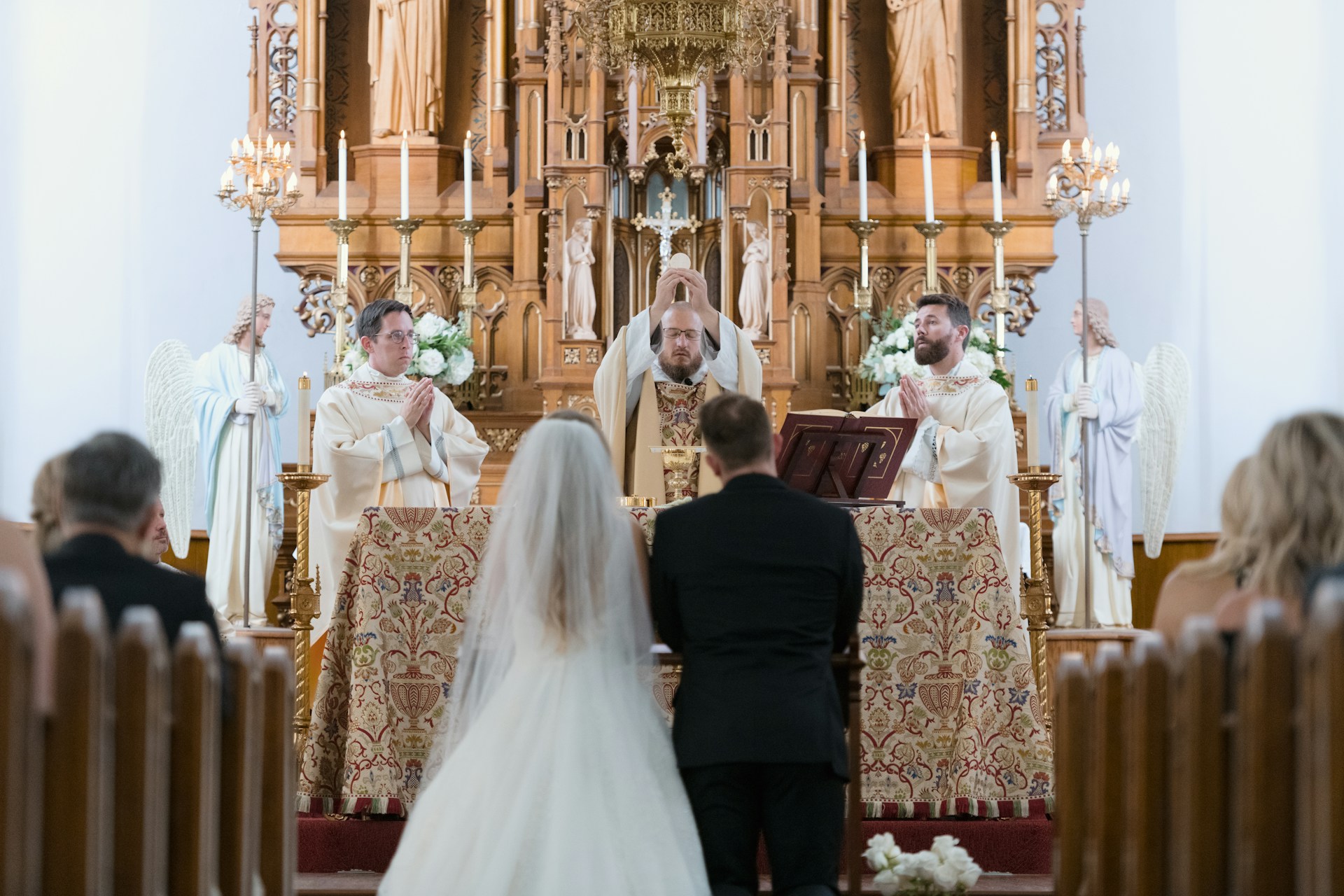
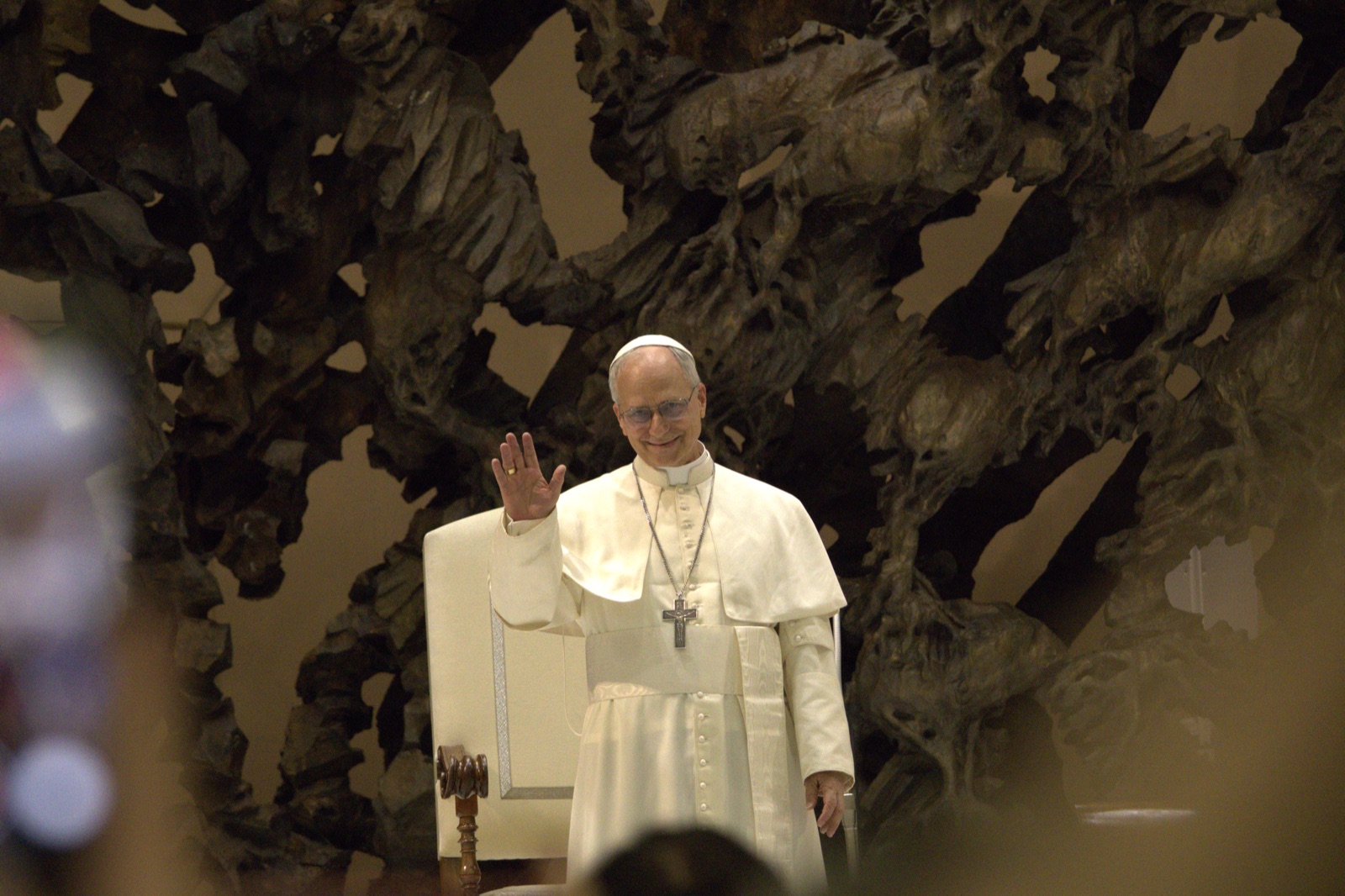
New diocesan data paints a troubling picture for sacramental life in America Bishop Robert Hennessy N ew data reveals a continued downward trend in sacramental marriages across American parishes, raising questions about the future of Catholic family life in the United States. Diocesan reports from over forty states show a decline of nearly twelve percent over the past five years, with the sharpest drops concentrated in urban centers and among Catholics under forty. The data, compiled by the Center for Applied Research in the Apostolate, reveals that the steepest declines track closely with broader patterns of delayed marriage and cohabitation. Many young Catholics who do marry choose civil ceremonies, bypassing sacramental preparation entirely. Diocesan officials say the pandemic accelerated trends that had been building for over a decade. Bishop Robert Hennessy of the Archdiocese of Milwaukee called the numbers a wake-up call for pastoral leaders. He has convened a working group of marriage prep directors and family ministers to design outreach programs targeting young adults who have drifted from the Church. Several dioceses are experimenting with shorter, more intensive preparation tracks that meet couples where they are culturally. We cannot simply wait for couples to come to us. The Church must go out to meet them where they are. Parish leaders report that the most effective programs combine peer witness from recently married couples with structured theological formation. Some dioceses have begun partnering with Catholic colleges and young adult ministries to reach engaged couples before they have already written off a Church wedding. Demographers note that the trend mirrors broader societal shifts but warn that the Catholic decline is steeper than that of other Christian denominations. Several dioceses have launched task forces to study the root causes and propose pastoral responses, with initial findings expected later this year. Sociologists point to economic anxiety, housing costs, and the cultural redefinition of commitment as contributing factors. The bishops’ conference has pledged to address the findings at its June plenary, where family life will be the primary agenda item for the first time in over a decade.
Mar. 25, 2026