


Education
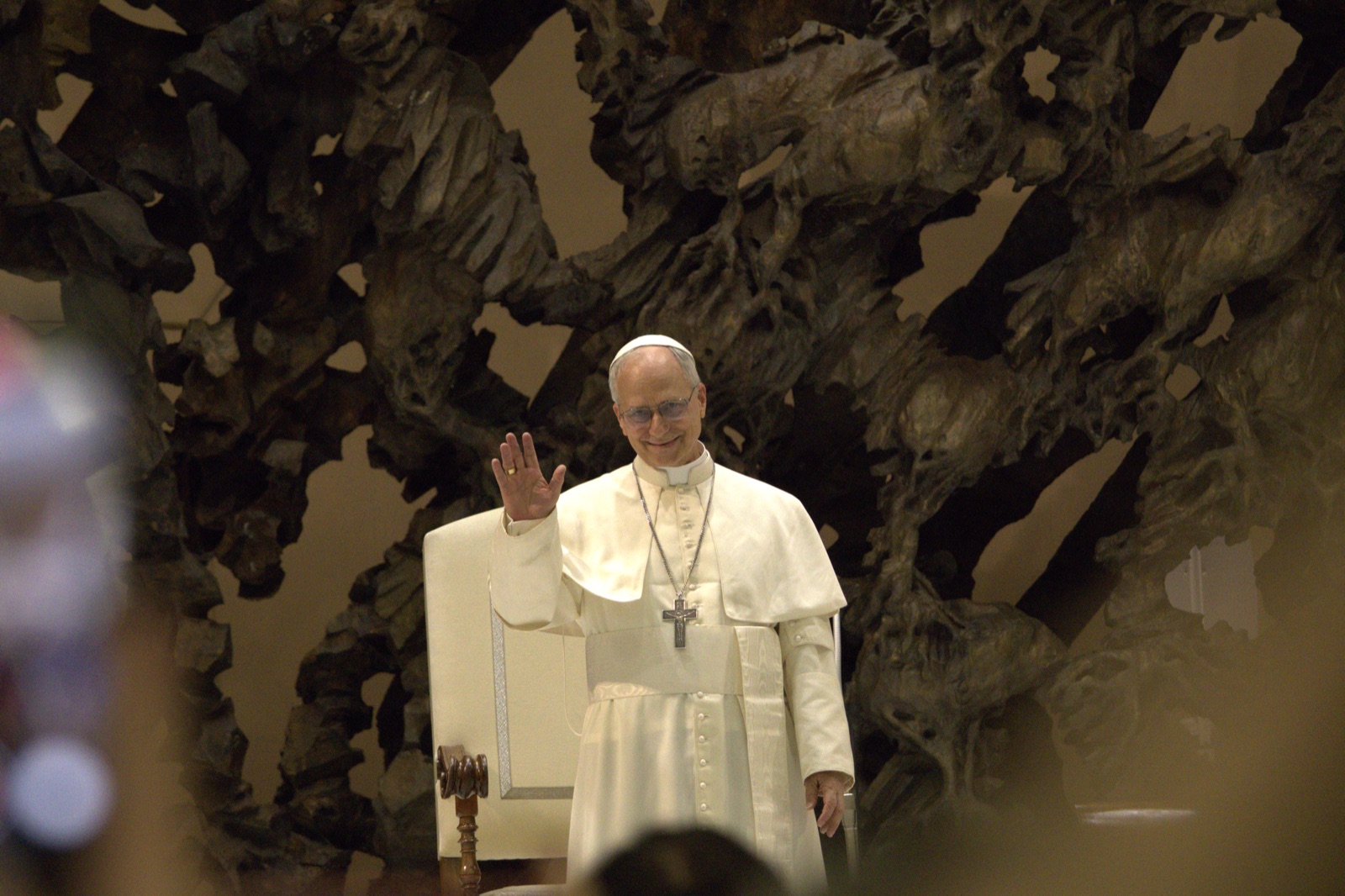
Campus survey reveals shifting patterns in how young Catholics identify The university’s director of campus ministry A student newspaper at a prominent Catholic university has published survey results showing a significant increase in students identifying as LGBT over the past three years. The findings have sparked intense debate among faculty, administrators, alumni, and donors about the university’s Catholic identity and its pastoral approach to students who experience same-sex attraction or gender dysphoria. The survey, conducting by the newspaper’s investigative team and drawing responses from over two thousand undergraduates, found that the share of students identifying as LGBT has nearly doubled since 2022. Sociologists note that the findings are consistent with broader national trends among college-aged adults, though the rate of increase at Catholic institutions appears sharper than at secular peers. Campus ministry leaders say they are committed to accompanying all students while remaining faithful to Church teaching, a balance they acknowledge is difficult to strike in the current cultural climate. The university’s president issued a statement emphasizing the institution’s commitment to both truth and compassion. Our mission has always been to form the whole person. That mission does not change based on survey results. Several faculty members have called for revised pastoral policies, while a group of alumni donors has written to the board of trustees urging the university to reaffirm its commitment to the Church’s teaching on human sexuality without qualification. The board has acknowledged receiving the letter and said it will be discussed at the next regular meeting. The university has not indicated whether it will make any policy changes in response to the survey. A spokesperson said the administration is in ongoing dialogue with campus ministry, student affairs, and the local bishop’s office to ensure that the university’s pastoral approach is coherent and consistent with its Catholic mission.
Mar. 24, 2026
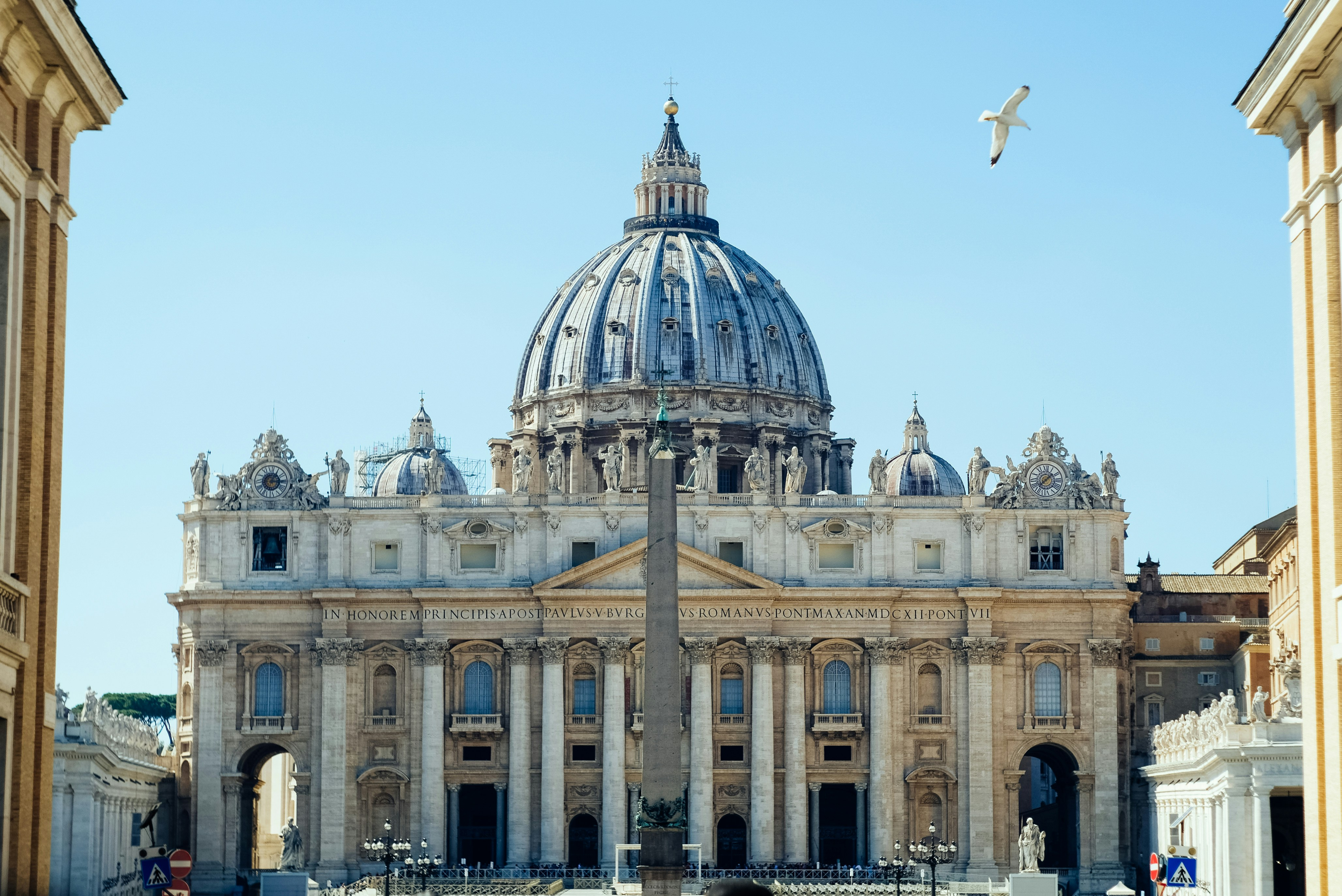
Thirty parish schools to receive major funding and curriculum overhauls The archdiocesan superintendent of schools T he Archdiocese of Chicago has announced a comprehensive renewal program for thirty of its urban parish schools, backed by a combination of archdiocesan funds and private philanthropy. The program includes facility upgrades, new STEM and classical humanities curricula, and expanded scholarship opportunities for families who could not otherwise afford a Catholic education . The initiative targets schools in historically underserved neighborhoods on the city’s south and west sides, many of which have struggled to maintain enrollment and accreditation in recent years. Several were facing closure before the renewal program was announced. Cardinal Blase Cupich called the initiative a reaffirmation of the Church’s historic commitment to educating underserved communities, noting that many of the schools in the program have served the same neighborhoods for over a century. He announced the program at a press conference joined by the mayor of Chicago and several state legislators who have pledged additional public funding support. Catholic schools have always been the Church’s greatest investment in the future. This program ensures that investment continues. The renewal is expected to benefit more than twelve thousand students across the targeted schools. Officials say the first phase of facility renovations will begin this summer, with new curriculum pilots launching in September. A mentorship component will pair each school with a Catholic professional network. Educators working in the program describe it as the most significant investment in urban Catholic education in Chicago in a generation. Parent groups in several of the affected parishes have formed volunteer committees to support the transition and assist with community outreach to families who may be eligible for the new scholarship slots.
Mar. 23, 2026
A think tank study finds wide variation in how institutions express their mission The report’s lead researcher A report released by the Cardinal Newman Society has evaluated Catholic identity across twenty-eight Jesuit colleges and universities in the United States, finding significant variation in how institutions express their founding mission. The study is the most comprehensive of its kind and has already generated strong reactions across the Jesuit educational world. The report assesses factors including the presence of mandatory theology requirements, visibility of Catholic symbols on campus, the percentage of faculty who identify as practicing Catholics, and the institutional response to speakers or events that contradict Church teaching. Researchers conducted site visits, reviewed course catalogs, and interviewed administrators and students at each institution. Critics of the methodology argue that Catholic identity cannot be reduced to institutional metrics, and that the Ignatian tradition’s emphasis on finding God in all things requires a more nuanced evaluative framework. Supporters say that transparency is overdue and that donors, students, and families deserve reliable data when choosing a Catholic institution. A Jesuit education is not simply a Catholic label on a secular curriculum. It is a distinctive way of forming the whole person. Several Jesuit university presidents have disputed specific findings in the report, and at least two institutions have announced plans to issue formal responses. The Society of Jesus has not yet commented officially, though individual Jesuit scholars have been vocal in both supporting and criticizing the report’s conclusions. The report is expected to inform ongoing conversations within the Association of Jesuit Colleges and Universities about common standards for Catholic mission articulation. A follow-up symposium is planned for the fall, bringing together university presidents, trustees, faculty, and students to discuss the findings in depth.
Mar. 17, 2026
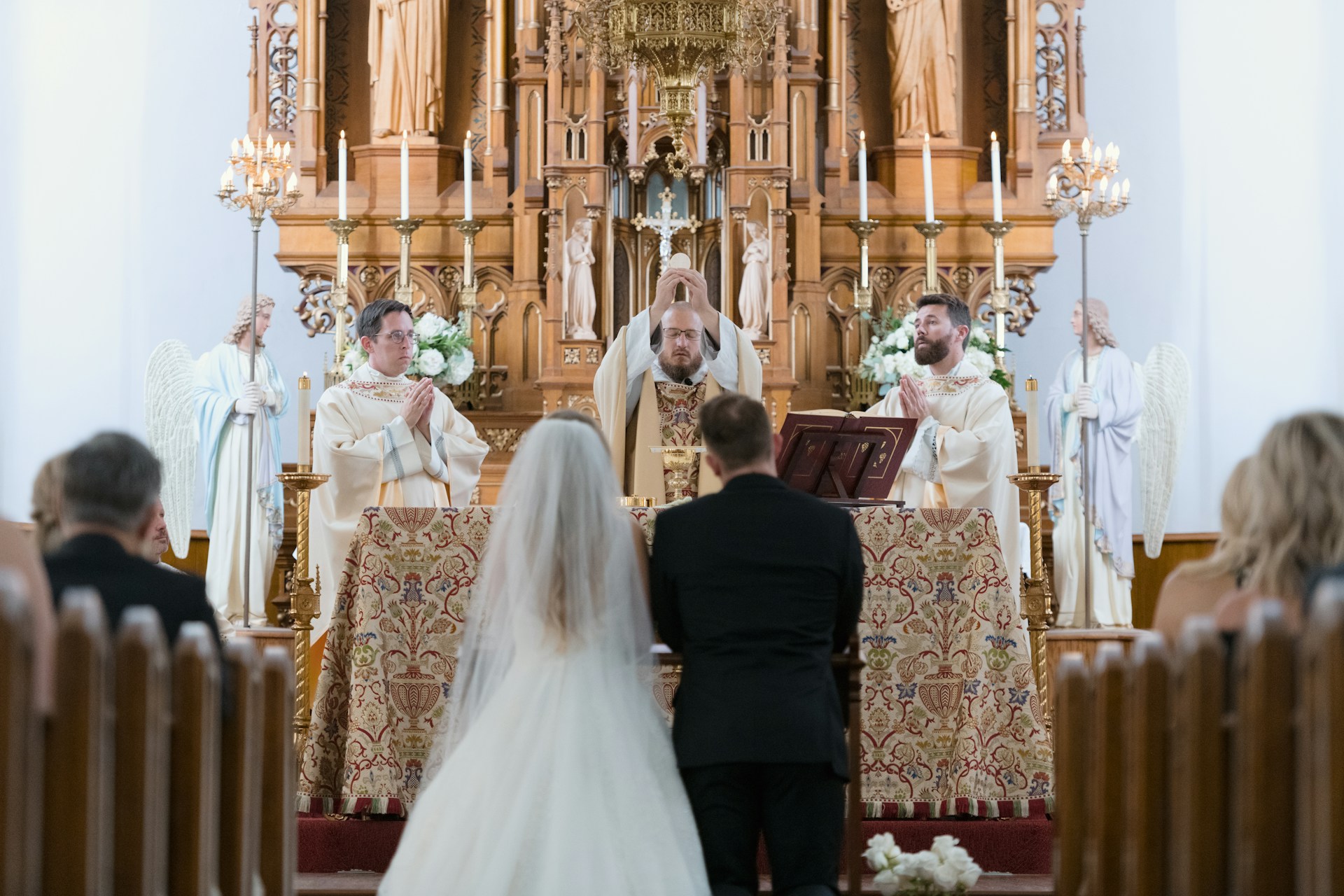
A consortium of institutions will fund new programs in sacred music and visual art The initiative’s founding director A consortium of twelve Catholic universities has announced a joint initiative to expand programs in sacred music , visual art, and liturgical design. The initiative, titled Fides et Ars , includes new degree programs, endowed chairs, artist-in-residence programs, and a shared online platform for course delivery across member institutions. Organizers say the initiative responds to a growing demand from students seeking to integrate their faith with careers in the arts. A survey conducted by one of the partner institutions found that over sixty percent of incoming students who identified as practicing Catholics expressed interest in courses connecting faith and creative practice — yet fewer than fifteen percent found adequate programming available. Partner institutions span the country, from Boston to Los Angeles, and include both large research universities and smaller liberal arts colleges. Funding commitments total nearly forty million dollars over five years, drawn from a combination of institutional budgets and a lead gift from a major Catholic family foundation whose name will be announced at a formal launch ceremony next month. For too long, Catholic universities have underinvested in the arts. This initiative is a down payment on a richer future. Among the flagship programs is a new master’s degree in sacred music to be jointly administered by three of the consortium’s member schools, allowing students to study with faculty at all three campuses over the course of their degree. A parallel program in iconography and liturgical art is being developed in consultation with Eastern Catholic communities. The first cohort of students is expected to enroll in the fall semester. Applications have already outpaced early projections, and administrators say they are considering expanding the inaugural cohort to meet demand. A public symposium on faith and the arts is planned for the spring, open to students, faculty, and working artists across the country.
Mar. 14, 2026