


Encyclical

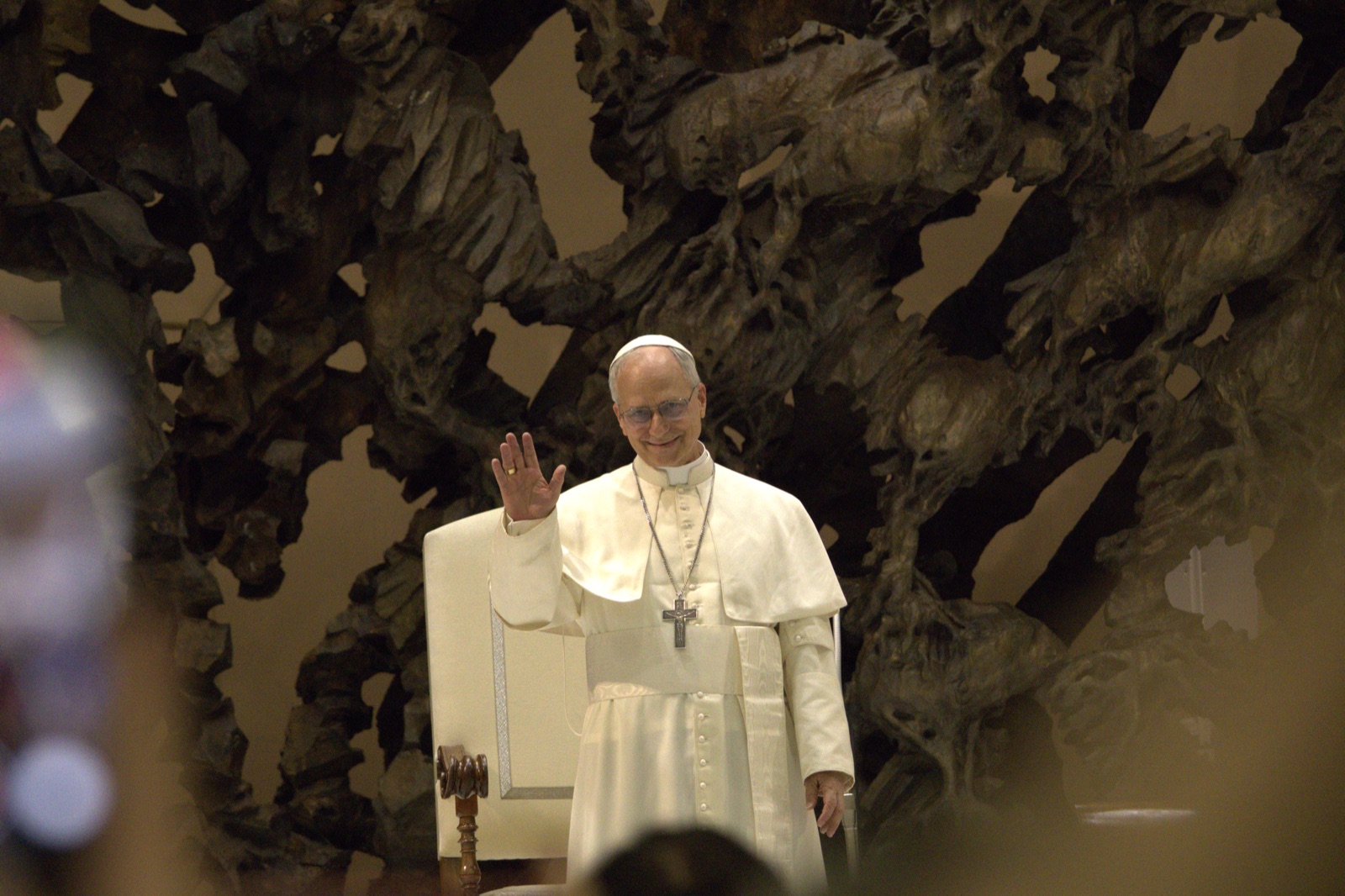
The document calls for ethical guardrails and a renewed theology of the human person A Vatican theologian who contributed to the document P ope Francis has released a long-anticipated encyclical addressing the moral and spiritual dimensions of artificial intelligence. The document, titled Lumen Machinae , warns against reducing the human person to a node in a data network and calls on Catholic institutions to lead ethical reflection on emerging technologies at a moment of profound civilizational change. The encyclical draws extensively on the tradition of Catholic social teaching — particularly Rerum Novarum , Laudato Si’ , and Laudate Deum — and engages directly with recent developments in machine learning, autonomous systems, and large language models. The Pope argues that the Church has a unique contribution to make precisely because it begins with the irreducible dignity of the human person. Theologians and technology ethicists have welcomed the document as a timely contribution to a debate that has largely been dominated by secular voices. Several major technology companies issued statements acknowledging the encyclical, though none committed to specific policy changes in response. The Vatican’s Dicastery for Culture and Education has announced a two-year lecture series on the themes of the document. The machine can calculate, but it cannot love. This distinction is not trivial. It is everything. The encyclical calls for the establishment of international governance frameworks rooted in human dignity, and urges Catholic universities, hospitals, and media organizations to adopt explicit ethical guidelines for AI use. It stops short of calling for a moratorium on any particular technology, but warns that speed of deployment without adequate ethical formation constitutes a form of recklessness incompatible with the Gospel. Early translations are available in twelve languages, with additional editions expected within the month. The document has already generated significant commentary from philosophers, bishops, and technology executives worldwide — and is widely expected to become a touchstone in Catholic intellectual engagement with the digital age for years to come.
Mar. 28, 2026