

Pope Leo
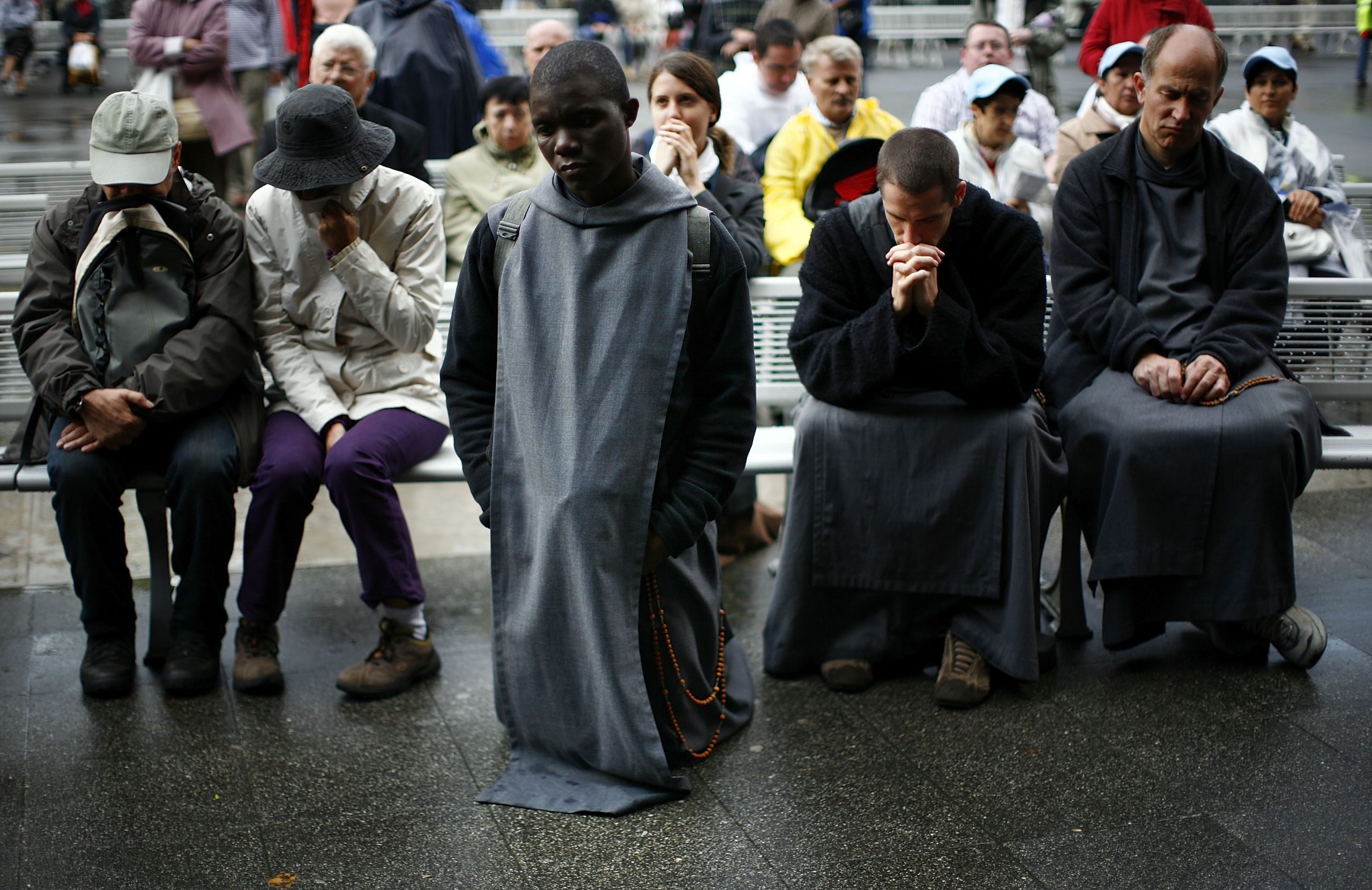
Pope Leo expected to visit France in September
Pope Leo XIV is expected to visit France at the end of September, with Paris and Lourdes among the proposed destinations. The Vatican has yet to formally confirm the journey, which would follow the Pope’s June visit to Spain Pope Leo XIV is expected to visit France at the end of September in what would be his second visit to a European Union country outside Italy since his election last year. The proposed journey was announced by the French Bishops’ Conference on May 6, which said the Pope could travel to Paris and Lourdes, although the Vatican has yet to formally confirm the visit. The invitation was extended by Cardinal Jean-Marc Aveline, president of the bishops’ conference, in coordination with the Apostolic Nuncio, Archbishop Celestino Migliore, and was also supported by President Emmanuel Macron during a meeting with the Pope in Rome on April 10. In a statement issued by the conference, the bishops said: “The Catholic Church in France is preparing to welcome Leo XIV.” They added that, since his election one year ago, “several bishops” had invited the Pope to visit the country before Cardinal Aveline formally renewed the invitation on behalf of the episcopate. The statement said the proposed journey “could take place at the end of September” and noted that “on various occasions, Leo XIV has expressed the great esteem he holds for our country and its spiritual history”. Cardinal Aveline said he had held “several working sessions” with the Pope, including one last week, during which a draft programme was prepared. “His visit would be an opportunity to share with the Pope what our Church in France is experiencing and to let ourselves be encouraged by his words,” the cardinal said. The bishops added that the faithful were being asked “to support the preparation of this event through prayer” while awaiting the official announcement from the Holy See. The expected visit follows the publication of the programme for Pope Leo’s apostolic journey to Spain from June 6 to June 12, his first visit to the country as pontiff. During the six-day trip, he is scheduled to visit Madrid, Barcelona, Montserrat, Las Palmas de Gran Canaria and Santa Cruz de Tenerife. The itinerary includes meetings with King Felipe VI and Queen Letizia, Spain’s political authorities and the country’s bishops, along with Masses in Madrid, Barcelona and the Canary Islands. The Pope is also expected to visit migrants, prisoners, charity workers and young people during the journey. Among the principal events of the Spanish visit will be a Corpus Christi procession in Madrid, a gathering with the diocesan community at the Santiago Bernabéu Stadium and the inauguration of the Tower of Jesus Christ at Barcelona’s Basilica of the Holy Family. The Pope is also due to visit the Benedictine Abbey of Montserrat, which recently marked the millennium of the monastery’s foundation. The abbey remains closely associated with the history of Catalonia and the suffering of the Church during the Spanish Civil War, when a number of its monks were killed. France has received several papal visits in recent decades, including journeys by Pope John Paul II and Pope Benedict XVI. Pope Francis travelled to Marseille in 2023 and to Corsica in 2024, though neither was considered a full state visit to France.
May. 7, 2026
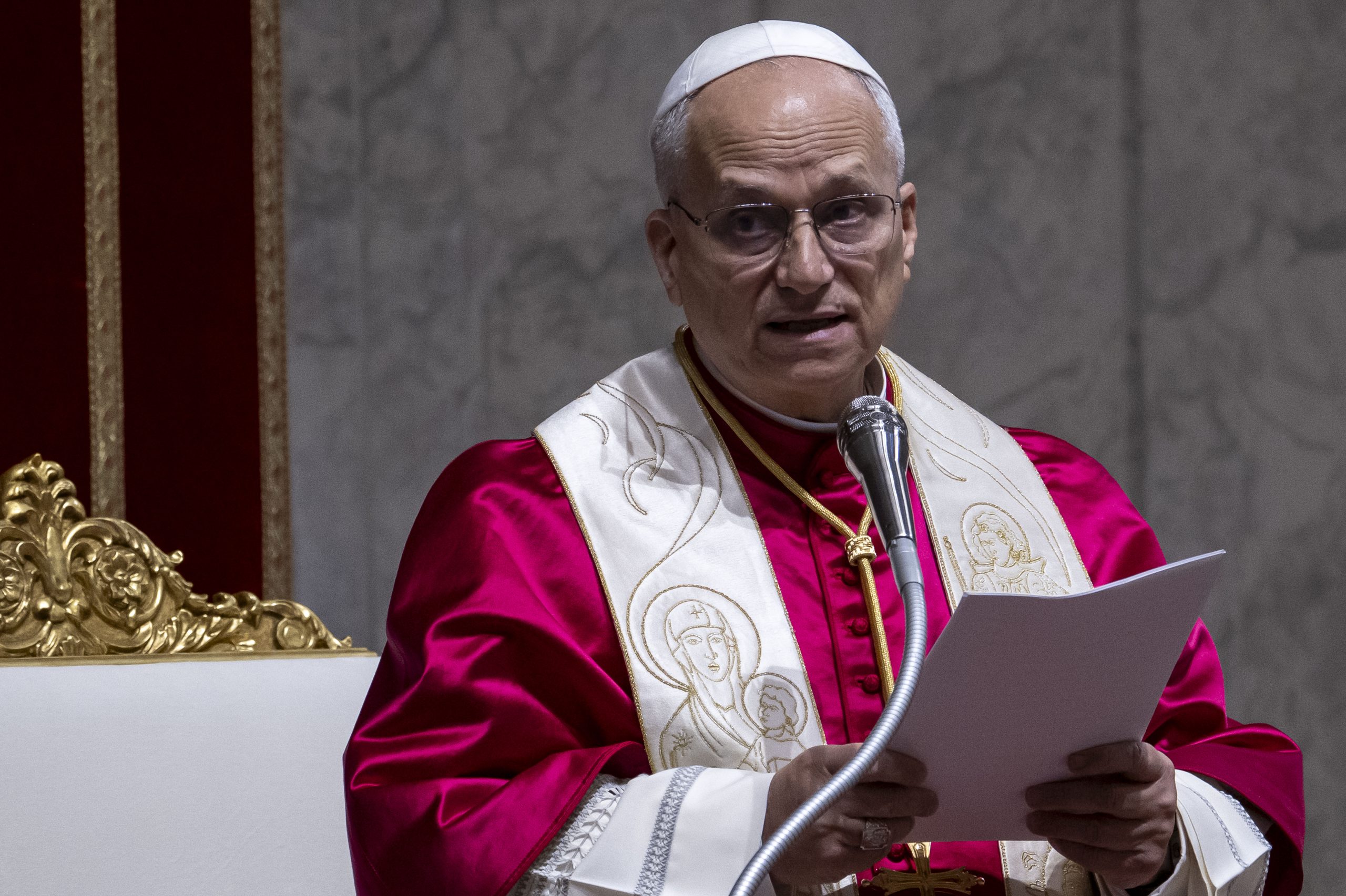
Pope Leo XIV’s first encyclical set for May 15 release
Pope Leo XIV is expected to publish his first encyclical on May 15, aligning it with landmark social teaching documents. The provisional text, Magnifica humanitas, is set to address artificial intelligence, global instability and the state of international law Pope Leo XIV’s first encyclical is expected to be signed and published soon, placing its release close to a date long associated with landmark papal social teaching documents. According to reports from the German Catholic news agency KNA, it will be signed on May 15. The text will be the first major teaching document of his pontificate. Circulating under the provisional title Magnifica humanitas , it is expected to address a range of issues, including artificial intelligence, international peace and what sources describe as a crisis in international law. Previous reports indicate that the document will set out the Pope’s initial response to these questions within the framework of Catholic social teaching. The encyclical follows earlier indications that the Holy See had been preparing a document focused specifically on artificial intelligence. At the beginning of February, reports pointed to work under way on a text examining the ethical and anthropological implications of emerging technologies. Pope Leo XIV has already spoken about the risks associated with technological development, warning of the dangers posed by “uncontrolled technology” and the importance of safeguarding human dignity. According to the same reports, the encyclical will also address geopolitical instability and the perceived weakening of international legal structures. By doing this, the document is expected to set out the Vatican’s response to the principal challenges facing humanity in the 21st century. The anticipated date of May 15 places the encyclical within a well-established tradition. On May 15, 1891, Pope Leo XIII issued Rerum Novarum , the foundational text of modern Catholic social doctrine, addressing the condition of workers during the industrial age. The same date was chosen in 1931 by Pope Pius XI for Quadragesimo Anno , which developed the Church’s teaching on social order and introduced the principle of subsidiarity. Thirty years later, on May 15, 1961, Pope John XXIII promulgated Mater et Magistra , focusing on economic justice and social development. The expected treatment of artificial intelligence would build on recent Vatican teaching. In January 2025, the Dicastery for the Doctrine of the Faith and the Dicastery for Culture and Education issued Antiqua et Nova , a joint note on “the relationship between artificial intelligence and human intelligence”. The document said AI could bring “important innovations” but warned that it also carried the danger of deepening inequality, manipulating public opinion and expanding “the instruments of war well beyond the scope of human oversight”. It added that artificial intelligence “should not be seen as an artificial form of human intelligence, but as a product of it”, and insisted that it “should be used only as a tool to complement human intelligence rather than replace its richness”. No official text has yet been released, and the title Magnifica humanitas remains provisional.
May. 4, 2026