


Latest
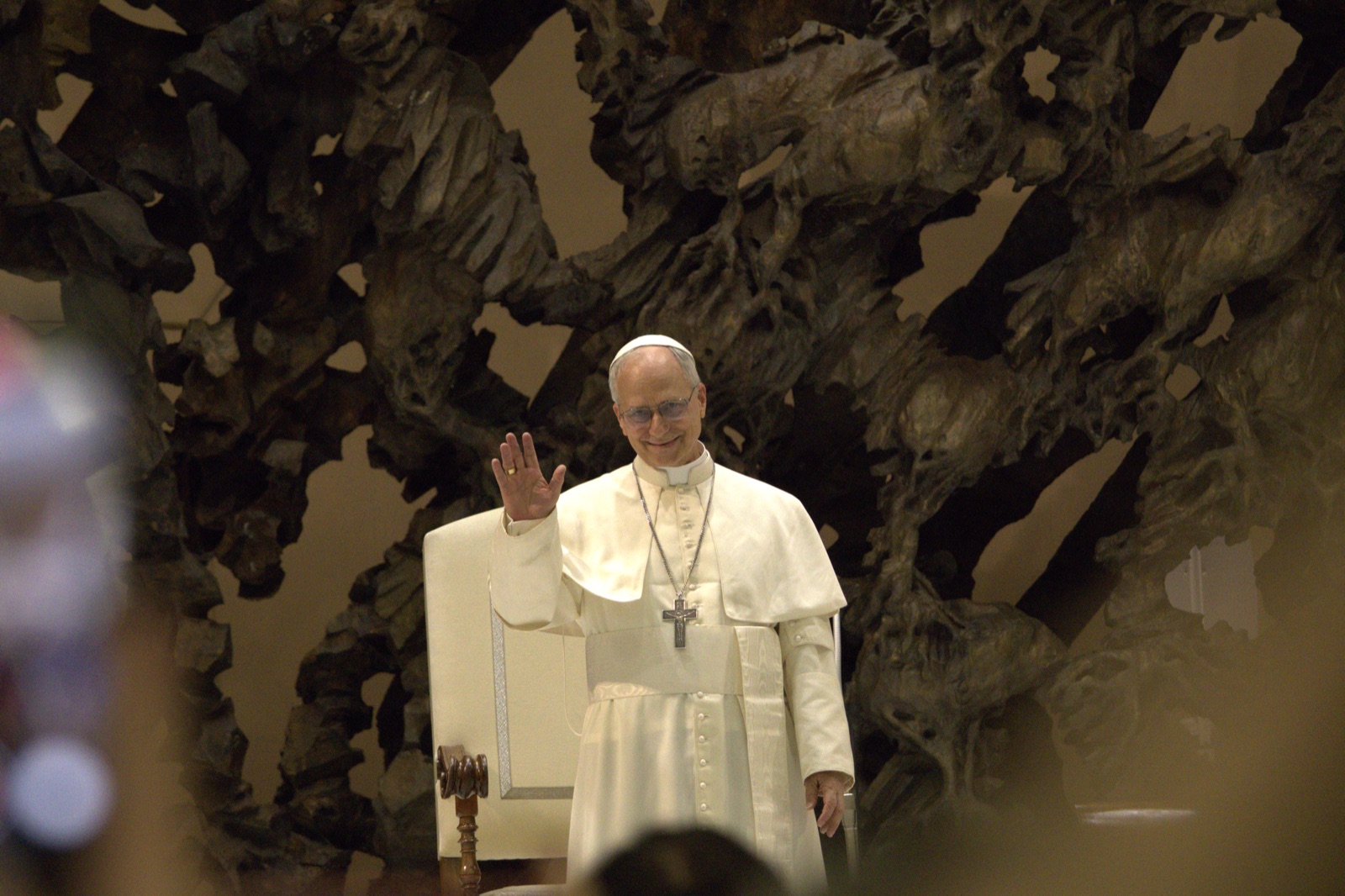
The document calls for ethical guardrails and a renewed theology of the human person A Vatican theologian who contributed to the document P ope Francis has released a long-anticipated encyclical addressing the moral and spiritual dimensions of artificial intelligence. The document, titled Lumen Machinae , warns against reducing the human person to a node in a data network and calls on Catholic institutions to lead ethical reflection on emerging technologies at a moment of profound civilizational change. The encyclical draws extensively on the tradition of Catholic social teaching — particularly Rerum Novarum , Laudato Si’ , and Laudate Deum — and engages directly with recent developments in machine learning, autonomous systems, and large language models. The Pope argues that the Church has a unique contribution to make precisely because it begins with the irreducible dignity of the human person. Theologians and technology ethicists have welcomed the document as a timely contribution to a debate that has largely been dominated by secular voices. Several major technology companies issued statements acknowledging the encyclical, though none committed to specific policy changes in response. The Vatican’s Dicastery for Culture and Education has announced a two-year lecture series on the themes of the document. The machine can calculate, but it cannot love. This distinction is not trivial. It is everything. The encyclical calls for the establishment of international governance frameworks rooted in human dignity, and urges Catholic universities, hospitals, and media organizations to adopt explicit ethical guidelines for AI use. It stops short of calling for a moratorium on any particular technology, but warns that speed of deployment without adequate ethical formation constitutes a form of recklessness incompatible with the Gospel. Early translations are available in twelve languages, with additional editions expected within the month. The document has already generated significant commentary from philosophers, bishops, and technology executives worldwide — and is widely expected to become a touchstone in Catholic intellectual engagement with the digital age for years to come.
Mar. 28, 2026
The Dicastery for the Laity releases updated norms for lay participation A Dicastery official at the press conference T he Dicastery for the Laity, Family, and Life has released updated guidelines for the formation and operation of parish pastoral councils worldwide. The new norms, which supersede earlier guidance from 1998, emphasize greater lay participation in decision-making while carefully clarifying the consultative — rather than deliberative — nature of the councils. The document addresses structural questions that have long been debated at the diocesan level, including term limits for council members, the proper role of the pastor as council president, and procedures for handling disagreements. It also introduces, for the first time, norms governing the use of digital tools for council meetings and documentation. Bishops’ conferences have been given eighteen months to implement the new norms at the diocesan level, after which compliance will be assessed during regular ad limina visits. The Dicastery has offered to provide formation resources and translation support upon request, and has established a dedicated helpdesk for bishops’ conferences with implementation questions. The parish council is not a parliament. It is a space for discernment, where pastor and people seek God’s will together. Lay leaders who work closely with parish councils have responded cautiously but positively. Several noted that the new norms validate practices they had long advocated, particularly around transparency and formal conflict resolution. Others expressed concern that the emphasis on the consultative nature of councils could be used to sideline legitimate lay concerns. The Dicastery will host a series of webinars for diocesan staff beginning next month, and plans to publish a companion study guide in multiple languages by the end of the liturgical year. Canon lawyers say the new norms represent a significant maturation in the Church’s theology of synodality at the local level.
Mar. 25, 2026
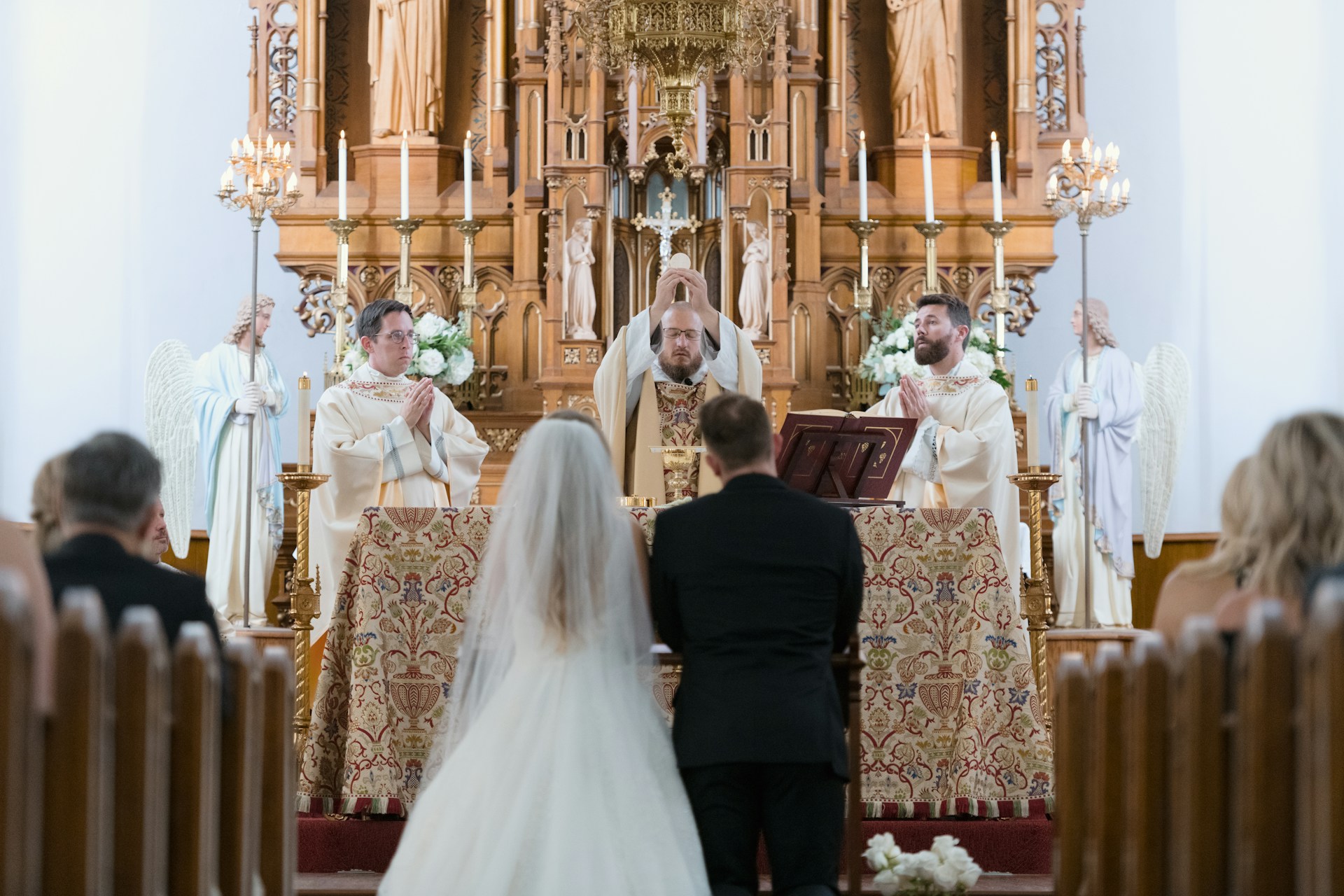
New diocesan data paints a troubling picture for sacramental life in America Bishop Robert Hennessy N ew data reveals a continued downward trend in sacramental marriages across American parishes, raising questions about the future of Catholic family life in the United States. Diocesan reports from over forty states show a decline of nearly twelve percent over the past five years, with the sharpest drops concentrated in urban centers and among Catholics under forty. The data, compiled by the Center for Applied Research in the Apostolate, reveals that the steepest declines track closely with broader patterns of delayed marriage and cohabitation. Many young Catholics who do marry choose civil ceremonies, bypassing sacramental preparation entirely. Diocesan officials say the pandemic accelerated trends that had been building for over a decade. Bishop Robert Hennessy of the Archdiocese of Milwaukee called the numbers a wake-up call for pastoral leaders. He has convened a working group of marriage prep directors and family ministers to design outreach programs targeting young adults who have drifted from the Church. Several dioceses are experimenting with shorter, more intensive preparation tracks that meet couples where they are culturally. We cannot simply wait for couples to come to us. The Church must go out to meet them where they are. Parish leaders report that the most effective programs combine peer witness from recently married couples with structured theological formation. Some dioceses have begun partnering with Catholic colleges and young adult ministries to reach engaged couples before they have already written off a Church wedding. Demographers note that the trend mirrors broader societal shifts but warn that the Catholic decline is steeper than that of other Christian denominations. Several dioceses have launched task forces to study the root causes and propose pastoral responses, with initial findings expected later this year. Sociologists point to economic anxiety, housing costs, and the cultural redefinition of commitment as contributing factors. The bishops’ conference has pledged to address the findings at its June plenary, where family life will be the primary agenda item for the first time in over a decade.
Mar. 25, 2026
Campus survey reveals shifting patterns in how young Catholics identify The university’s director of campus ministry A student newspaper at a prominent Catholic university has published survey results showing a significant increase in students identifying as LGBT over the past three years. The findings have sparked intense debate among faculty, administrators, alumni, and donors about the university’s Catholic identity and its pastoral approach to students who experience same-sex attraction or gender dysphoria. The survey, conducting by the newspaper’s investigative team and drawing responses from over two thousand undergraduates, found that the share of students identifying as LGBT has nearly doubled since 2022. Sociologists note that the findings are consistent with broader national trends among college-aged adults, though the rate of increase at Catholic institutions appears sharper than at secular peers. Campus ministry leaders say they are committed to accompanying all students while remaining faithful to Church teaching, a balance they acknowledge is difficult to strike in the current cultural climate. The university’s president issued a statement emphasizing the institution’s commitment to both truth and compassion. Our mission has always been to form the whole person. That mission does not change based on survey results. Several faculty members have called for revised pastoral policies, while a group of alumni donors has written to the board of trustees urging the university to reaffirm its commitment to the Church’s teaching on human sexuality without qualification. The board has acknowledged receiving the letter and said it will be discussed at the next regular meeting. The university has not indicated whether it will make any policy changes in response to the survey. A spokesperson said the administration is in ongoing dialogue with campus ministry, student affairs, and the local bishop’s office to ensure that the university’s pastoral approach is coherent and consistent with its Catholic mission.
Mar. 24, 2026
Healthcare systems weigh religious liberty against regulatory compliance A spokesperson for the Catholic Health Association N ew federal regulations are requiring Catholic hospital systems to update their emergency care protocols in ways that some administrators say directly conflict with the Ethical and Religious Directives for Catholic Health Care Services . The mandate, issued by the Department of Health and Human Services, has triggered immediate legal challenges from several major Catholic health networks. The regulations, which take effect in ninety days, require all federally funded hospitals to provide or facilitate certain emergency procedures regardless of the institution’s religious affiliation. Catholic health systems argue this provision is a direct assault on decades of conscience protections that have allowed faith-based providers to participate in the public healthcare system. The United States Conference of Catholic Bishops has issued a statement expressing grave concern and urging the administration to reinstate conscience protections for healthcare workers whose sincerely held religious beliefs would be burdened by the new requirements. The USCCB has also called on Catholic laity to contact their congressional representatives. Catholic hospitals serve everyone. But we cannot be forced to act against our deepest convictions about the sanctity of human life. Legal observers expect the dispute to reach the federal courts within weeks. Several Catholic health systems have already filed for preliminary injunctions, citing First Amendment protections and the Religious Freedom Restoration Act. One senior attorney involved in the litigation described the legal landscape as favorable to the plaintiffs based on recent Supreme Court precedent. The Catholic Health Association, which represents over six hundred hospitals nationwide, is coordinating a unified legal and public affairs response. Officials note that Catholic hospitals serve disproportionately poor and rural communities where no alternative provider exists, making forced compliance an issue of access as well as conscience.
Mar. 24, 2026
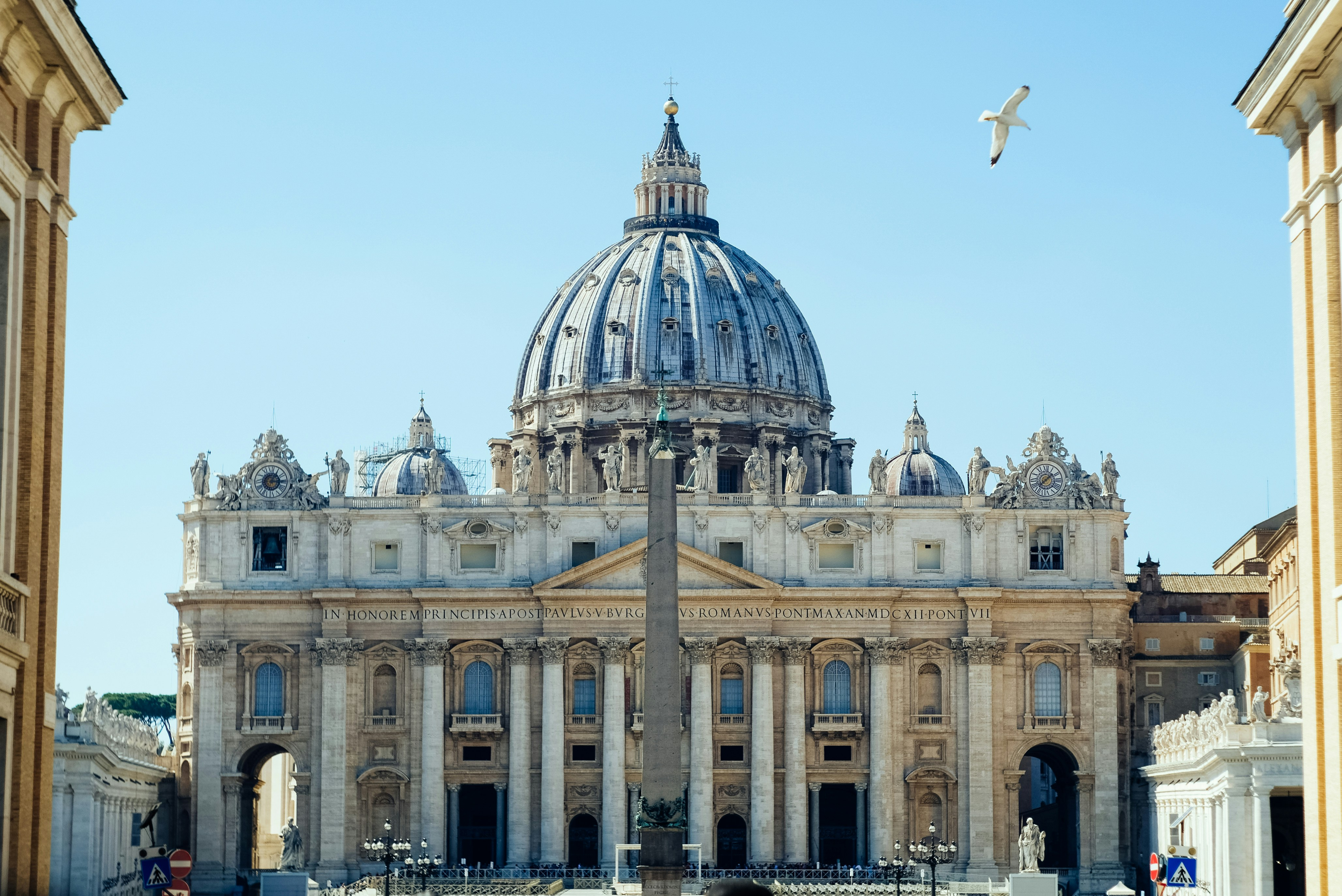
Thirty parish schools to receive major funding and curriculum overhauls The archdiocesan superintendent of schools T he Archdiocese of Chicago has announced a comprehensive renewal program for thirty of its urban parish schools, backed by a combination of archdiocesan funds and private philanthropy. The program includes facility upgrades, new STEM and classical humanities curricula, and expanded scholarship opportunities for families who could not otherwise afford a Catholic education . The initiative targets schools in historically underserved neighborhoods on the city’s south and west sides, many of which have struggled to maintain enrollment and accreditation in recent years. Several were facing closure before the renewal program was announced. Cardinal Blase Cupich called the initiative a reaffirmation of the Church’s historic commitment to educating underserved communities, noting that many of the schools in the program have served the same neighborhoods for over a century. He announced the program at a press conference joined by the mayor of Chicago and several state legislators who have pledged additional public funding support. Catholic schools have always been the Church’s greatest investment in the future. This program ensures that investment continues. The renewal is expected to benefit more than twelve thousand students across the targeted schools. Officials say the first phase of facility renovations will begin this summer, with new curriculum pilots launching in September. A mentorship component will pair each school with a Catholic professional network. Educators working in the program describe it as the most significant investment in urban Catholic education in Chicago in a generation. Parent groups in several of the affected parishes have formed volunteer committees to support the transition and assist with community outreach to families who may be eligible for the new scholarship slots.
Mar. 23, 2026