


Latest
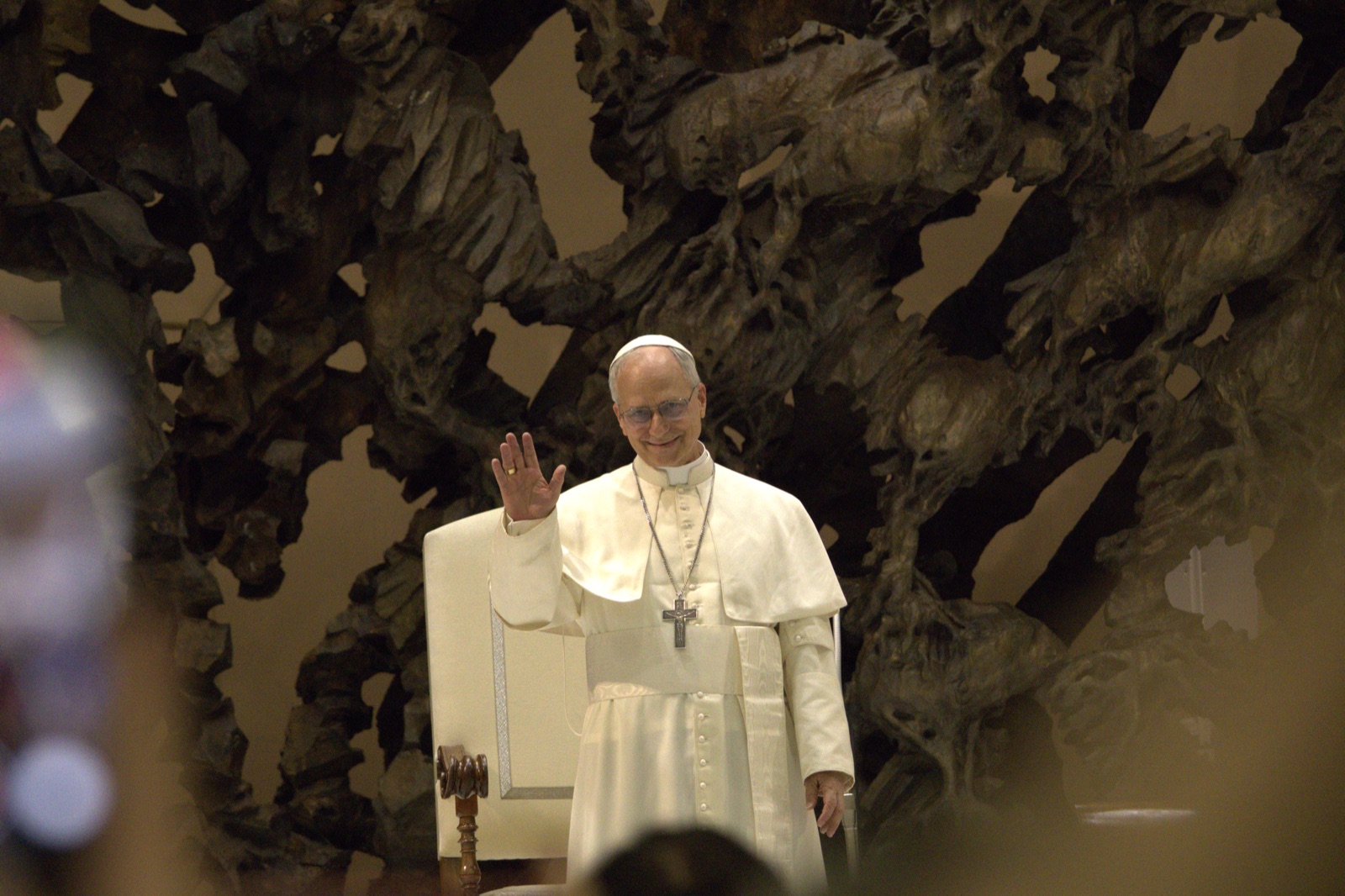
Representatives from thirty nations call for structural changes in parish governance A delegate addresses the assembly D elegates from across sub-Saharan Africa attending the regional synod assembly have issued a joint statement calling for expanded roles for lay leaders in parish administration and catechesis. The statement reflects long-standing pastoral realities on the continent, where priest shortages mean that many communities are led by lay catechists for months or even years at a time without a resident pastor. The delegates, representing thirty nations, argue that the current canonical framework does not adequately recognize or resource the leadership that lay Catholics are already exercising of necessity. They are calling on the Vatican to create a formal ministry category for senior lay parish leaders, with defined training requirements and canonical recognition. The delegates urged the Vatican to formalize these roles and provide training resources proportionate to the scale of the need. Several bishops present expressed strong support while noting that any structural changes must remain consonant with sacramental theology and the hierarchical nature of the Church. In many of our villages, it is the catechist who keeps the faith alive. The Church must recognize and support this reality. The assembly’s final document is expected to be transmitted to the Vatican’s Synod Secretariat within the month. Observers say the African delegates’ proposal represents one of the most substantive structural suggestions to emerge from any regional gathering in the current synodal process, and that it will likely be a reference point for the global synod’s concluding discussions. The proposal has also drawn interest from delegates in Latin America and Oceania, where similar dynamics of priest shortage and lay leadership have shaped local Church life for generations. A coalition of regional synod bodies is exploring whether a joint submission to the Holy See might amplify the call for formal recognition.
Mar. 22, 2026
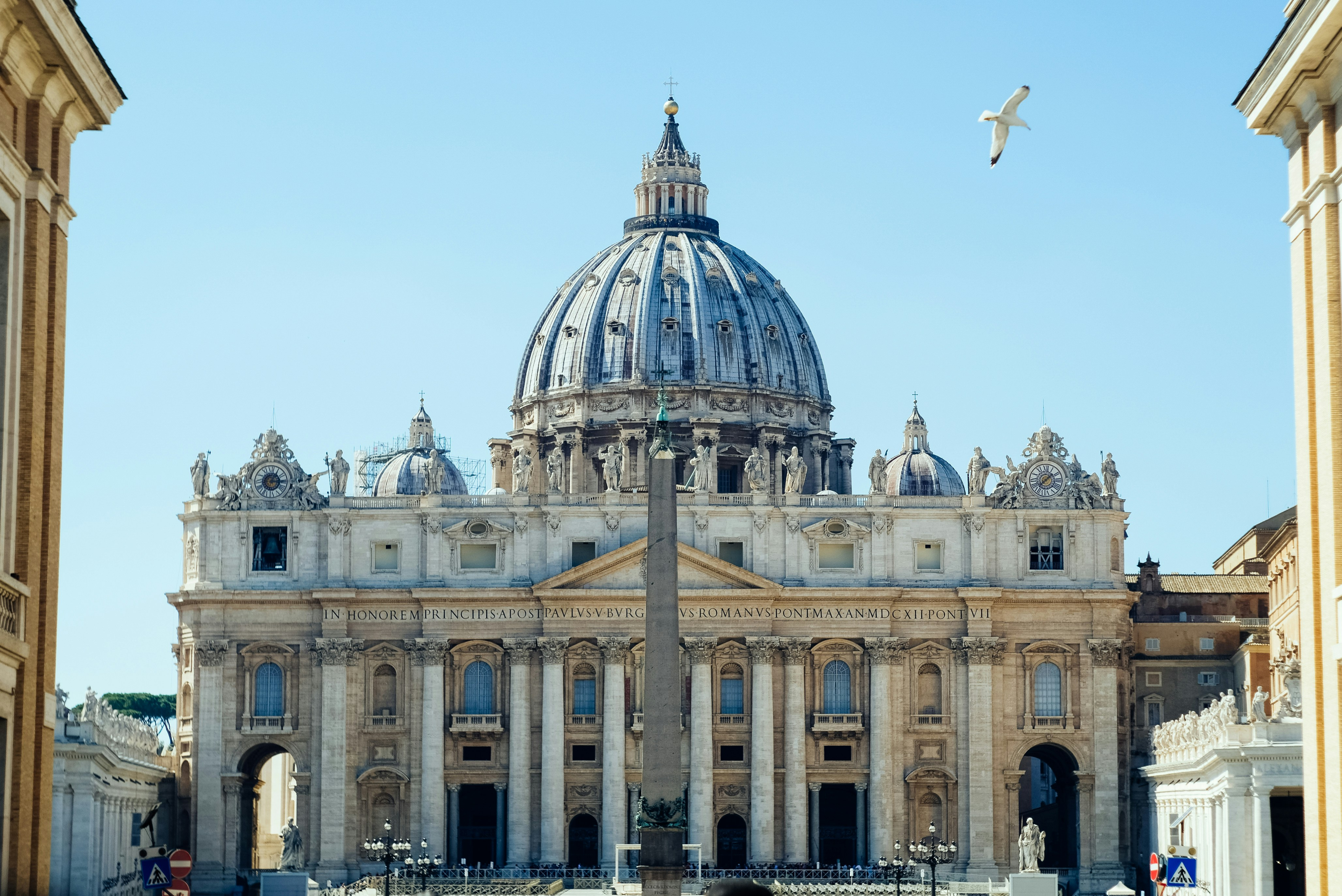
The USCCB urges Congress to protect asylum seekers and family unity A USCCB spokesperson at the press briefing T he United States Conference of Catholic Bishops has released a comprehensive statement on federal immigration policy, calling on Congress to restore due process protections for asylum seekers and halt the separation of families at the southern border. The statement is among the most forceful public interventions the Conference has made on immigration in more than a decade. The document, signed by more than one hundred bishops, invokes the Church’s long tradition of welcoming the stranger and cites recent deportations of individuals with deep ties to Catholic communities — including several who were brought to the United States as minors and have lived as practicing Catholics for the whole of their adult lives. The statement calls for a bipartisan legislative solution that upholds both the rule of law and human dignity. It does not endorse any specific bill currently before Congress, but sets out a series of principles — including family unity, access to legal counsel, and protection for those fleeing violence — against which the bishops say any proposed legislation should be measured. The face of the migrant is the face of Christ. We cannot look away. Congressional leaders in both parties acknowledged receiving the bishops’ letter. Several Catholic members of Congress issued their own statements in response, with reactions divided along familiar partisan lines. The USCCB’s Committee on Migration will brief congressional staff on the statement’s contents next week. Catholic immigration legal services organizations report a surge in demand for their services in recent months, as enforcement activity has intensified and more families seek guidance. The bishops have pledged to expand funding for these services through the annual Catholic Campaign for Human Development collection.
Mar. 21, 2026
A major studio release brings the Catholic Worker founder to the big screen The director on location in New York A major studio release is bringing the story of Servant of God Dorothy Day to audiences worldwide. The film follows Day from her bohemian youth in Greenwich Village through her radical conversion and the founding of the Catholic Worker movement during the Great Depression. It is the most ambitious cinematic treatment of a modern American Catholic figure in recent memory. The screenplay, developed over seven years, draws on Day’s published diaries, her autobiography The Long Loneliness , and extensive interviews with surviving members of the Catholic Worker community. The production was filmed on location in New York, Chicago, and Rome, lending the period drama an authenticity that critics have singled out for praise. The release has reignited widespread interest in Day’s cause for canonization, which has been under consideration by the Vatican since 2000. The postulator of her cause told Advaticanum that the film has generated an unprecedented volume of correspondence to the diocesan office, and that several new testimonies of possible miracles are now under review. Don’t call me a saint. I don’t want to be dismissed that easily. Critics have praised the lead performance for its unflinching portrayal of Day’s complexity — her radicalism, her grief over a past abortion, her fierce love for the poor, and her deep sacramental piety. The film does not soften her edges, and Catholic reviewers have noted that its honesty makes it more, not less, compelling as an argument for her holiness. The film opens nationwide this Friday. Catholic high schools and universities across the country are organizing group screenings, and several dioceses have released discussion guides for parish use. Box office analysts project a strong opening weekend driven by a coalition of Catholic audiences and broader interest in progressive political biography.
Mar. 20, 2026
Three of five finalists in fiction draw on Catholic themes and traditions One of the three Catholic finalists I n a remarkable showing, three of the five finalists for this year’s National Book Award in fiction are Catholic authors whose works engage deeply with themes of faith, doubt, sacrament, and grace. Critics say the trend reflects a broader literary renaissance rooted in what Flannery O’Connor called the Catholic imagination — a way of seeing the world charged with presence, mystery, and moral seriousness. The three titles share little in common on the surface. One is a multigenerational family saga set in rural Louisiana; another is a spare novella about a Carmelite nun facing terminal illness; the third is an ambitious novel about a Vatican diplomat navigating the collapse of a postwar European government. The finalists include both established names and debut novelists, suggesting that Catholic literary culture is attracting new voices as well as deepening the work of its veterans. Two of the three titles were published by independent presses with explicit Catholic missions, a fact that has drawn attention to the growing infrastructure of Catholic literary publishing. The Catholic novel is not dead. It is finding new life in writers who are unafraid to wrestle with mystery. The winner will be announced at a ceremony in New York next month. Booksellers report that all three Catholic-authored titles have seen significant sales spikes since the shortlist was announced. Literary editors at several major publications have commissioned essays on the Catholic literary revival in anticipation of the award ceremony. Scholars of American Catholic literature note that this moment echoes the mid-twentieth century, when authors like Walker Percy, Flannery O’Connor, and J.F. Powers brought Catholic themes into the mainstream of American fiction. Whether the current moment represents a comparable breakthrough or a statistical anomaly remains to be seen — but the conversation it has sparked is already overdue.
Mar. 19, 2026
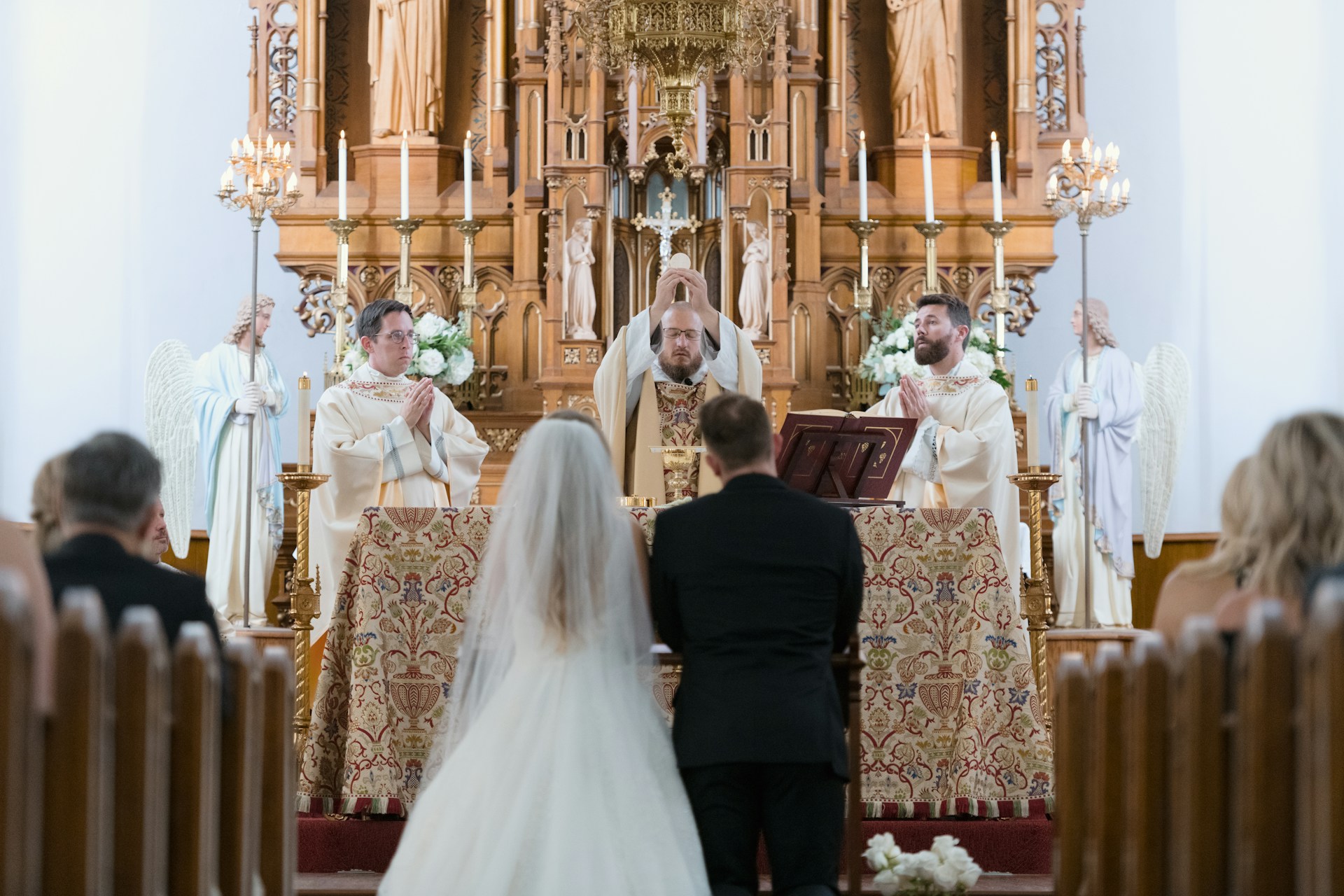
The prefect responds to widespread questions about liturgical changes Cardinal Fernández at the DDF C ardinal Víctor Manuel Fernández, prefect of the Dicastery for the Doctrine of the Faith , has issued a detailed response to questions raised by bishops’ conferences worldwide regarding recently published norms on the celebration of the Eucharist. The clarifications were released following weeks of requests from episcopal conferences in Germany, the United States, and sub-Saharan Africa. The original norms, published in January, sought to harmonize certain liturgical practices that had diverged significantly across different regions. Critics argued that the document left room for widely divergent interpretations, particularly on the question of permitted adaptations during the Liturgy of the Word. The clarifications address concerns about the implementation timeline and the scope of permitted adaptations. Several bishops’ conferences had requested additional guidance following the norms’ publication, and the Dicastery convened two consultation sessions with liturgical theologians before issuing the response. The document runs to fourteen pages and includes an annotated index of the original norms. These norms are not restrictions. They are an invitation to celebrate the Eucharist with greater reverence and unity. Theologians and liturgical scholars broadly welcomed the prefect’s statement, noting that the clarifications remove ambiguity around key provisions while affirming the pastoral intentions behind the original document. Some traditionalist commentators, however, expressed concern that the flexibility permitted by the new clarifications could open the door to further experimentation. Implementation will be overseen at the diocesan level, with bishops responsible for ensuring that their clergy receive adequate formation before any changes take effect. The Dicastery has announced plans to publish a companion study guide in multiple languages by the end of the liturgical year.
Mar. 19, 2026
Art historians call the restoration a masterwork of modern conservation Dr. Elena Marchetti, chief conservator A fter ten years of painstaking work, the Vatican Museums have unveiled the fully restored Raphael Rooms, revealing colors and details unseen for centuries. The project required the removal of centuries of overpaint, grime, and misguided earlier restorations. In several sections entirely new compositional details were discovered hidden beneath later additions. Art historians from around the world attended the unveiling and praised the quality of the work. The project was funded in part by donations from the Patrons of the Arts in the Vatican Museums . What we see now is closer to what Raphael himself saw. The restoration has given these masterpieces back to the world. The restored rooms will reopen to the public later this month. A documentary film about the restoration is currently in post-production and is expected to air on a major streaming platform in the autumn.
Mar. 18, 2026