The Vatican has outlined the next stage of the Synod on Synodality, confirming that a series of international meetings will take place over the coming two years.
In a statement issued on April 17, the General Secretariat of the Synod said it had convened the XVI Ordinary Council in an online session chaired by Cardinal Mario Grech. The meeting opened “with a moment of prayer led by Sr Nathalie Becquart”, before turning to what the Secretariat described as “the current phase of implementation of the Final Document of the XVI Assembly”.
The liturgy must not become a source of conflict and division among us.
The statement said that the Secretary General “opened the session with several communications concerning the current phase of implementation of the Final Document of the XVI Assembly, the work of the Study Groups, whose final reports are in the process of being published, and the forthcoming organisation of two meetings”.
Among the key developments is the convocation of a preparatory gathering at the Vatican from June 23 to 25. According to the Secretariat, this meeting will serve to prepare the continental evaluation assemblies scheduled for the first months of 2028. Those invited include “one representative of the Patriarchs of the Council of the Patriarchs of the Eastern Churches, the Presidents of the International Meetings of Episcopal Conferences, as well as the Presidents of the Episcopal Conferences of the United States and Canada, each accompanied by the Coordinator of the Synodal Team of the respective body”.
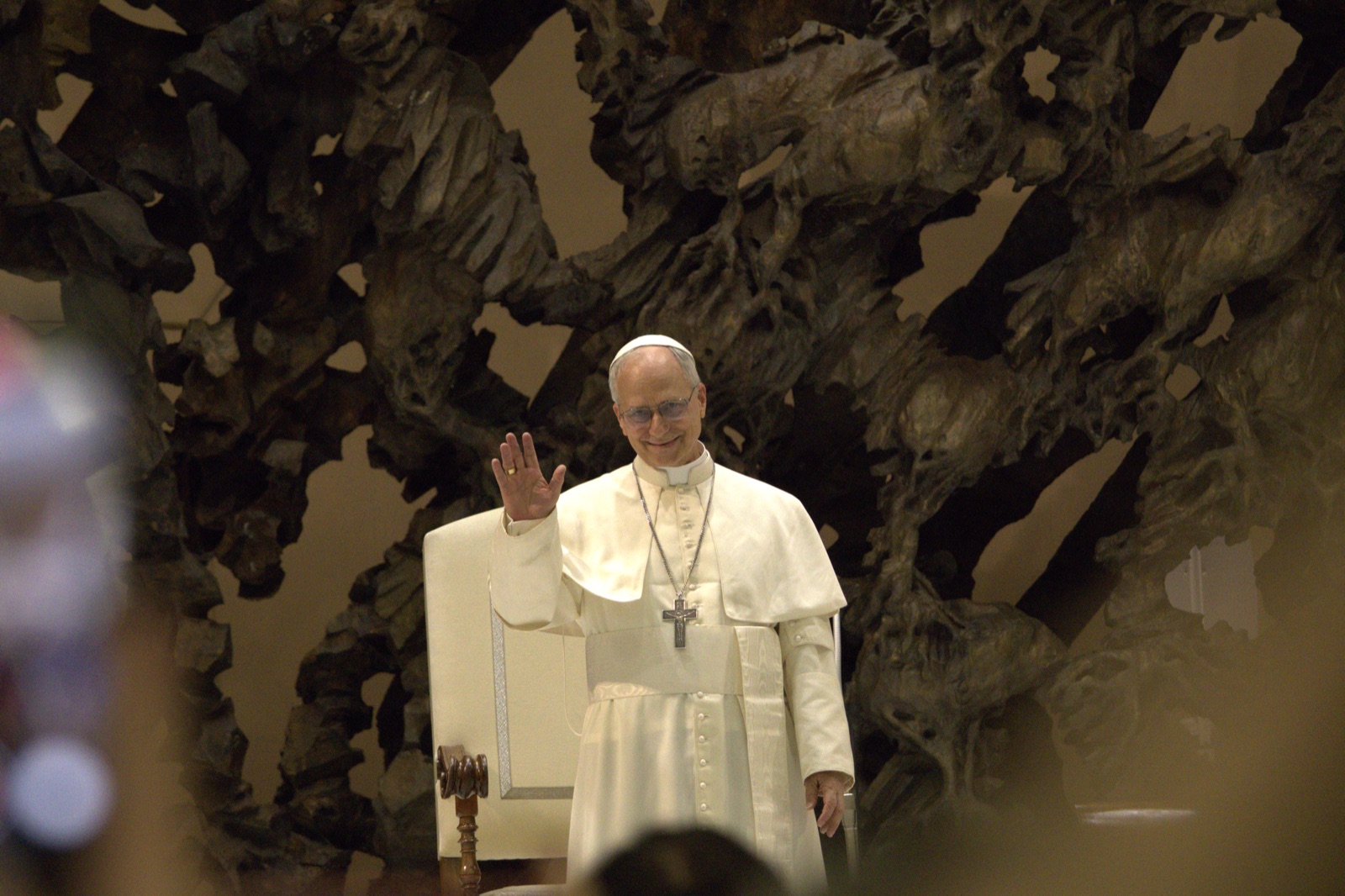
The statement added: “The Holy Father Leo XIV will take part in a specific working session.”
The June meeting forms part of a wider timetable which will see the synodal process continue through to 2028, when continental assemblies will assess the reception and application of the Synod’s conclusions. A global assembly in Rome is expected to follow later that year.
The Secretariat also confirmed that a further document to guide this phase is in preparation. During the April 17 session, Fr Giacomo Costa presented “a proposal for a document for the implementation phase of the Synod, particularly concerning the organisation of the evaluation assemblies”. The Council, it said, “discussed the document at length and approved its general structure”. The final version, intended as a complement to the “Pathways for the Implementation Phase” published in June 2025, “will be revised by the Ordinary Council and published by the beginning of summer”.
In a separate development, the Vatican provided new details of a meeting of bishops’ conference presidents to be held in Rome from October 7 to 14, focusing on Amoris laetitia. The gathering had previously been announced by Pope Leo XIV in a message marking the tenth anniversary of the document’s publication. According to the Secretariat, the October meeting “will be organised by the Dicastery for the Laity, the Family and Life”, with the General Secretariat of the Synod providing “organisational and methodological support”. It stressed that “this is not a synodal assembly, but a consultative meeting of the Holy Father with the Presidents of the Episcopal Conferences and of the Synods of the Eastern Catholic Churches sui iuris”.
In his March 19 message, Pope Leo XIV said the purpose of the gathering would be “to proceed, in mutual listening, to a synodal discernment on the steps to be taken in order to proclaim the Gospel to families today … and taking into account what is currently being done in the local Churches”.
The Vatican’s latest moves on the Synod on Synodality indicate that the process has been established as a continuing feature of Church governance and, under Pope Leo XIV, it is acquiring a firmer institutional shape. What is now emerging is a phase of consolidation, with the Holy See proceeding in a measured manner.
The personal involvement of Pope Leo XIV is also notable, as the Secretariat has confirmed that he will take part in a specific working session during the June meeting. Popes do not routinely participate in mid-level preparatory gatherings, which suggests a direct interest in shaping the outcome.
The explicit inclusion of the presidents of the United States and Canadian episcopal conferences, named alongside their synodal coordinators, is also notable. Other regions are referenced more generally through continental bodies such as CELAM, CCEE and SECAM. This level of specificity suggests continued attention to the reception of synodality in the English-speaking world, particularly in North America.
This dual approach, advancing synodality while containing its more contentious applications, indicates that Pope Leo XIV is maintaining the trajectory set by Pope Francis while seeking to give it a more stable institutional form.