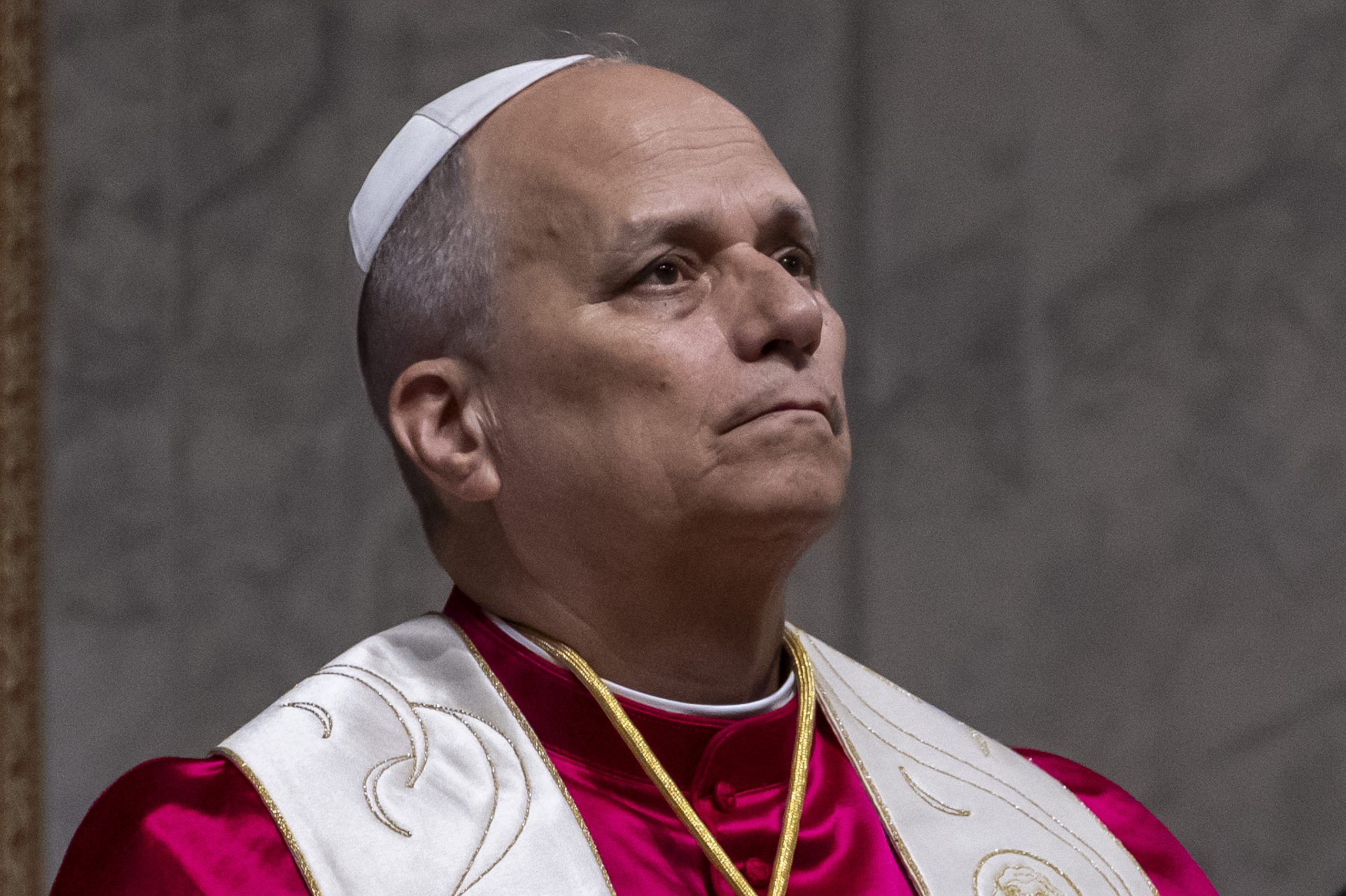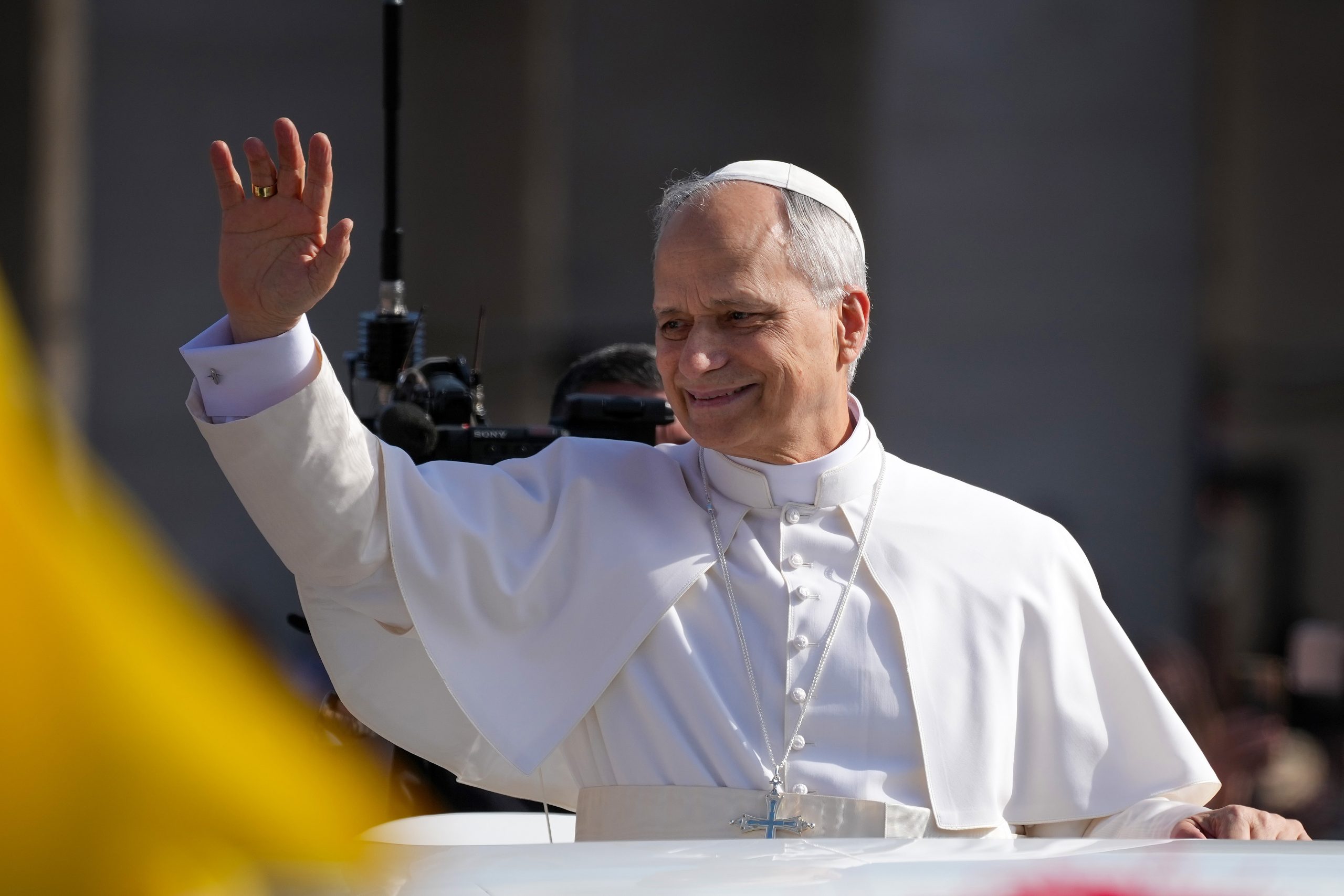
Pope Leo XIV has published the first encyclical of his pontificate, issuing a warning against the dangers posed by artificial intelligence and what he describes as a growing “culture of power” threatening the dignity of the human person.
Magnifica Humanitas (“Magnificent Humanity”), released by the Vatican on 25 May after being held under strict embargo until late Monday morning in Rome, is the Holy Father’s most substantial intervention yet in the global debate surrounding AI and the technological transformation of society.
The encyclical argues that humanity now stands between two paths: the construction of a new “Tower of Babel” founded on pride, uniformity and technocratic power, or the rebuilding of a new Jerusalem grounded in solidarity, communion and God-centred human fraternity.
“Humanity, created by God in all its grandeur, is today facing a pivotal choice: either to construct a new Tower of Babel or to build the city in which God and humanity dwell together,” the Pope writes in the opening paragraphs of the encyclical.
The 230-paragraph document is the first major social encyclical of Leo XIV’s pontificate and immediately places him within the long tradition of modern Catholic social teaching stretching back to Pope Leo XIII’s Rerum Novarum in 1891.
Far from rejecting technological progress outright, Leo XIV repeatedly insists that technology is a fundamentally human achievement capable of serving the common good. However, he warns that technological systems can never be considered morally neutral and must remain subordinate to the dignity of the human person. “We cannot consider AI to be morally neutral,” the Pope states.
The encyclical presents artificial intelligence as one of the defining res novae — “new things” — confronting the modern world, the language traditionally used by the Church to describe the upheavals of the industrial revolution.
The document states that unprecedented technological power is increasingly concentrated in the hands of private actors operating beyond effective political oversight, creating new dangers for democracy, labour, truth and peace. “More power does not necessarily imply something better,” it states.
Much of the encyclical is devoted to explaining why the Church believes artificial intelligence cannot be equated with human intelligence. The Pope insists that AI systems, however sophisticated, remain incapable of moral reasoning, authentic relationships or genuine human experience.
“So-called artificial intelligences do not undergo experiences, do not possess a body, do not feel joy or pain,” the encyclical says. “Nor do they have a moral conscience.”
Leo XIV repeatedly returns to the theme of human dignity, grounding the entire encyclical in the belief that every person possesses an “infinite dignity” rooted in creation in the image of God rather than in usefulness, efficiency or productivity.
“The fundamental dignity of each person,” he writes, “is neither acquired nor earned, nor does it need to be justified.”
The Pope warns that the unchecked growth of AI risks creating new forms of dehumanisation in which human beings are valued according to economic output, algorithmic usefulness or digital visibility. He cautions against reducing human judgement to automated systems and criticises cultural movements that treat technological transcendence as a substitute for spiritual fulfilment.
One of the most striking sections of the document is its sustained critique of transhumanist and posthumanist ideologies, which seek to overcome biological limitations through technological enhancement. Without naming particular movements or figures, Leo XIV argues that such projects reflect humanity’s recurring temptation to seek salvation apart from God.
“Babel thus reveals the limits of any effort that, however grandiose, arises from self-affirmation, sacrifices human dignity for efficiency and aspires to reach heaven without God’s blessing,” the encyclical says.
The encyclical also addresses the growing political and social consequences of AI-generated misinformation and manipulated media. Leo XIV warns that artificial intelligence is rapidly transforming the public square and undermining trust in democratic institutions through the spread of falsehoods and synthetic content. “Disinformation finds a powerful amplifier in AI,” the document states.
The Pope argues that truth itself must be defended as a “common good” and calls for what he describes as an “ecology of communication” rooted in responsibility, education and human relationships rather than manipulation and profit. “The search for truth is an essential element of democracy,” he writes.
Questions surrounding labour and the future of work occupy another substantial portion of the encyclical. Leo XIV warns against economic systems that prioritise efficiency over workers and expresses concern about automation displacing millions of people while weakening social bonds and family life.
The Pope also calls for stronger political oversight of AI systems, greater international cooperation and safeguards against the monopolisation of data and digital infrastructure. In one of the encyclical’s most arresting phrases, Leo XIV urges world leaders to “disarm AI”.
“Disarming AI means freeing it from the mentality of ‘armed’ competition,” the Pope writes, warning against an escalating technological arms race between states and corporations.
The document devotes an extended section to the dangers posed by autonomous weapons systems and the growing use of AI in warfare. Leo XIV argues that artificial intelligence is accelerating the pace and destructiveness of conflict while distancing human beings from moral responsibility for violence.
“AI acts as an accelerating factor” in changing the nature of war, he writes. The Pope condemns what he calls the “normalisation of war” and criticises a global culture increasingly resigned to permanent conflict, weakened diplomacy and the collapse of multilateral institutions.
“This culture of power infiltrates society,” he warns, “normalising war.” Despite the encyclical’s sombre tone, the document concludes on a strongly hopeful note centred on the Christian doctrine of the Incarnation. Against ideologies promising technological transcendence, Leo XIV points to Christ as the true fulfilment of humanity.
“At the heart of everything is the mystery of the Incarnation, the Word who became flesh and dwelt among us,” he writes. The final pages call on Catholics to resist despair and instead help build what the Pope repeatedly describes as a “civilisation of love” capable of directing technological progress towards authentic human flourishing.
“In the era of artificial intelligence,” the Pope writes, “when human dignity is threatened by new forms of dehumanisation, ours is the pressing duty to remain profoundly human.”