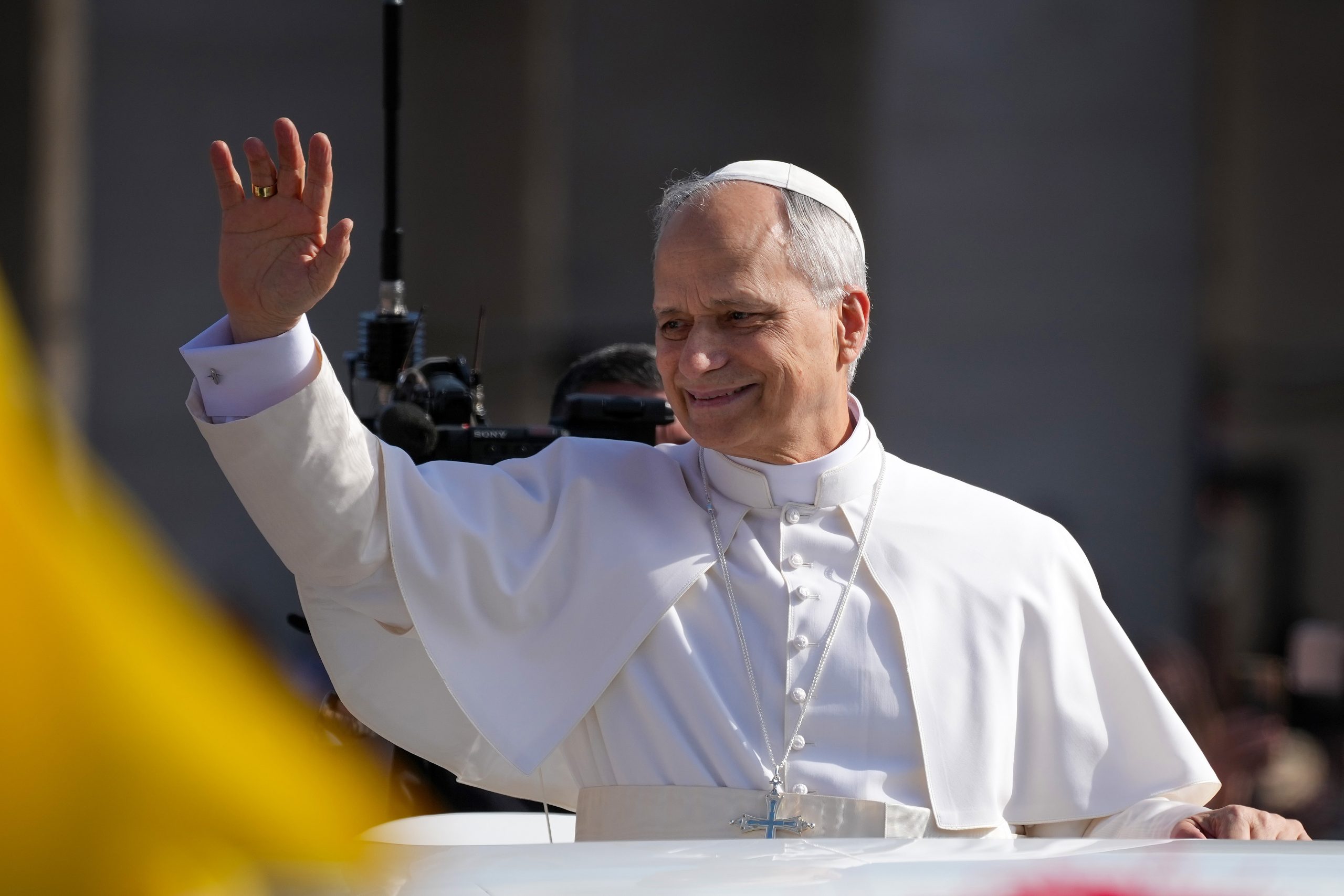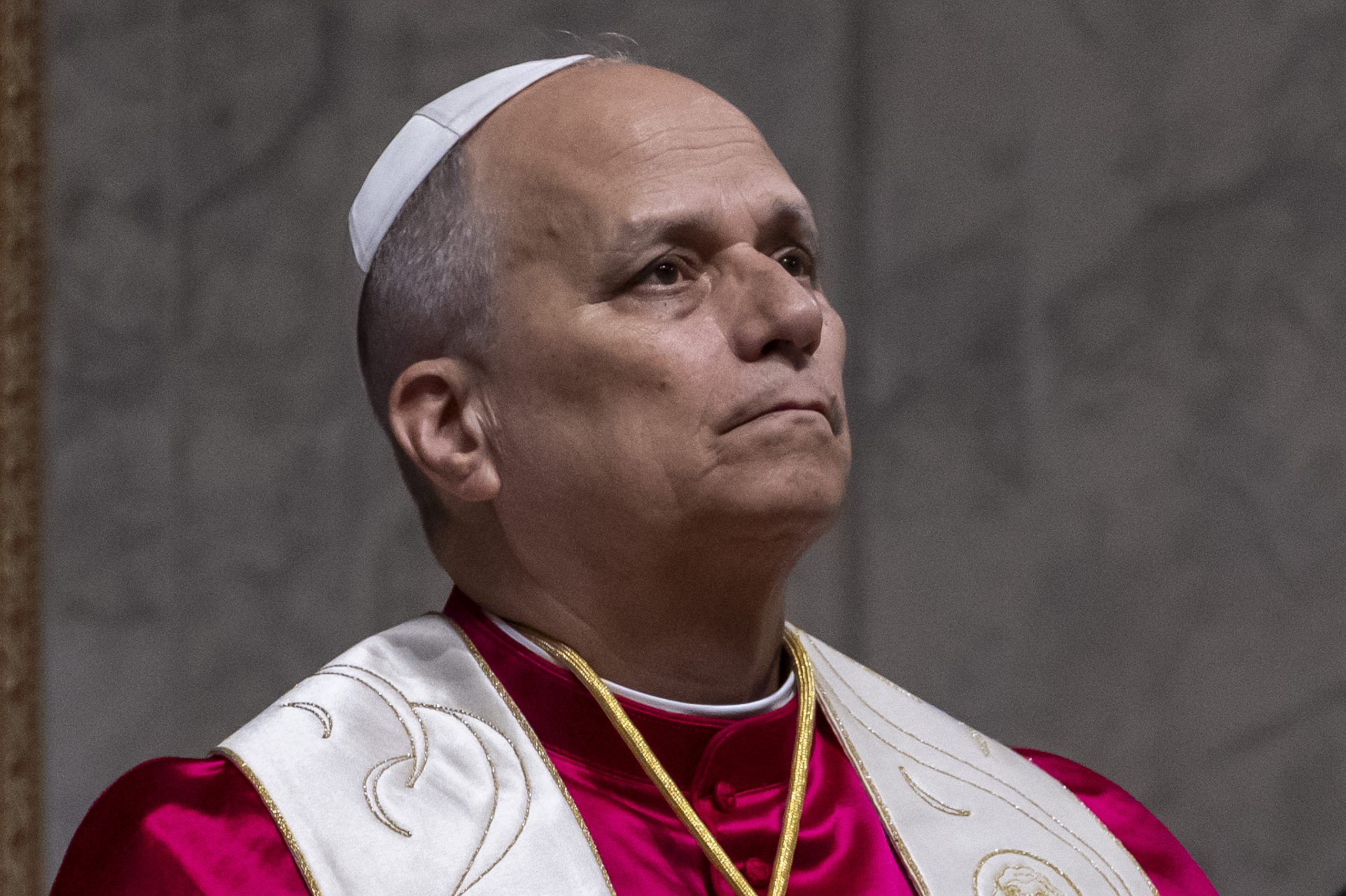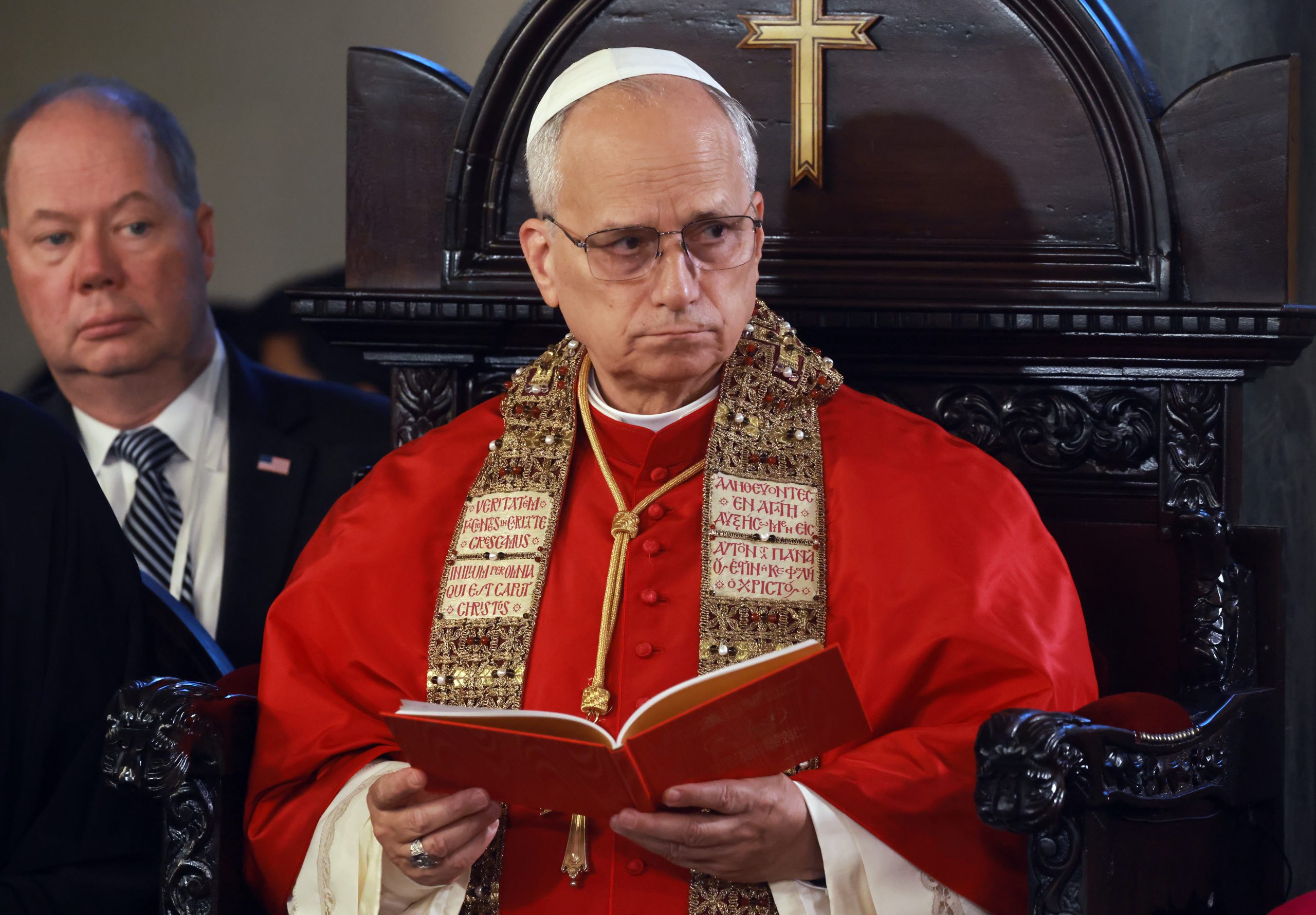
The release date for Pope Leo XIV’s first encyclical has been confirmed as May 25. The title of the document has been confirmed as Magnifica Humanitas, and it will focus on preserving the human person in the age of artificial intelligence, according to Vatican News.
Although the text will not be released until May 25, it will be signed on May 15, matching the date of the signing and publication of Rerum Novarum, Pope Leo XIII’s best-known encyclical, issued on May 15, 1891. The same date was also chosen in 1931 by Pope Pius XI for Quadragesimo Anno, which developed the Church’s teaching on social order and introduced the principle of subsidiarity. Thirty years later, on May 15, 1961, Pope John XXIII promulgated Mater et Magistra, focusing on economic justice and social development.
May 25 also coincides with Pope St John Paul II’s Ut Unum Sint, on ecumenism, which was released on May 25, 1995, and Pope Leo XIII’s Annum Sacrum, released on May 25, 1899, which consecrated the entire human race to the Sacred Heart of Jesus.
Magnifica Humanitas will be presented at 11.30am in the Vatican’s Synod Hall. Alongside the Pope, a number of significant prelates, theologians and specialists are scheduled to speak. They include Cardinal Víctor Manuel Fernández, prefect of the Dicastery for the Doctrine of the Faith; Cardinal Michael Czerny SJ, prefect of the Dicastery for Promoting Integral Human Development; Prof Anna Rowlands, a theologian and professor at Durham University; Christopher Olah, co-founder of Anthropic and head of research on the interpretability of artificial intelligence; and Prof Leocadie Lushombo IT, professor of political theology and Catholic social thought at the Jesuit School of Theology at Santa Clara University in California.
Closing remarks will be given by Cardinal Secretary of State Pietro Parolin, followed by an address and blessing by the Pope.
Addressing artificial intelligence, the encyclical will build on recent Vatican interest in the subject. In January 2025, the Dicastery for the Doctrine of the Faith and the Dicastery for Culture and Education issued Antiqua et Nova, a joint note on “the relationship between artificial intelligence and human intelligence”.
The document said AI could bring “important innovations” but warned that it also carried the danger of deepening inequality, manipulating public opinion and expanding “the instruments of war well beyond the scope of human oversight”. It added that artificial intelligence “should not be seen as an artificial form of human intelligence, but as a product of it”, and insisted that it “should be used only as a tool to complement human intelligence rather than replace its richness”.